


Consumer preferences are reshaping the global beverage industry. Demand for clean-label products, authentic fruit flavors, and naturally functional ingredients continues to grow, encouraging beverage manufacturers to rethink how fruit is incorporated into product development. Rather than relying solely on seasonal fresh fruit or highly processed alternatives, many companies are turning to frozen fruit for beverage brands as a more reliable solution that supports consistent quality, year-round availability, and efficient production.
Frozen fruit for beverage brands offers a practical way to maintain consistent flavor, color, texture, and nutritional value while reducing seasonal supply risks and production variability. Using advanced technologies such as Individual Quick Freezing (IQF), frozen fruit ingredients help beverage manufacturers improve product consistency, streamline operations, and respond more effectively to evolving consumer expectations.
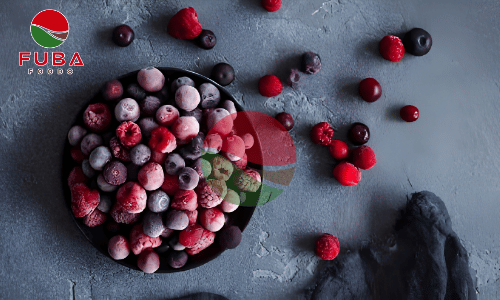
This shift is driven by more than convenience. Frozen fruit has become an essential ingredient for innovation across juice, smoothies, functional beverages, dairy drinks, plant-based products, cocktails, and ready-to-drink formulations. Understanding why manufacturers are adopting frozen fruit ingredients provides valuable insight into the future direction of beverage production.
This article examines why frozen fruit is becoming the preferred ingredient for beverage brands and how it supports consistent product quality, year-round supply, and manufacturing efficiency. It also explores the advantages of IQF technology and the key factors to consider when selecting a reliable frozen fruit processing partner for long-term business success.
What Makes Frozen Fruit Ideal for Beverage Manufacturing?
Modern beverage manufacturing depends on ingredients that deliver consistent quality, reliable supply, and efficient processing. Frozen fruit has become an ideal solution because it preserves the natural characteristics of fresh fruit while offering greater flexibility for large-scale beverage production.
Modern beverage production requires ingredients that deliver consistent performance regardless of harvest season or production volume. Fresh fruit, while desirable, often presents challenges related to short shelf life, fluctuating quality, transportation losses, and seasonal availability. Frozen fruit addresses these challenges by providing stable, ready-to-use ingredients without compromising natural characteristics.
Advances in freezing technology have transformed frozen fruit from a simple preservation method into a high-value ingredient capable of supporting premium beverage applications. Fruits harvested at optimal ripeness are rapidly frozen shortly after processing, helping preserve their natural sweetness, vibrant color, aroma, and nutritional composition.
As beverage portfolios continue to diversify, frozen fruit ingredients offer manufacturers greater flexibility to develop products that meet changing consumer preferences while maintaining reliable production schedules throughout the year.
Consistency Supports Better Product Development
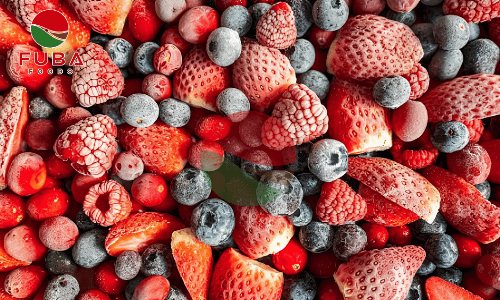
One of the greatest advantages of frozen fruit for beverage brands is production consistency. Beverage formulations depend on stable flavor profiles, color intensity, soluble solids, acidity, and texture. Variations in raw materials can significantly affect the taste and appearance of the finished product.
Frozen fruit processed under standardized conditions provides greater batch-to-batch uniformity than fresh fruit sourced from multiple harvest periods. This consistency simplifies formulation, reduces production adjustments, and helps manufacturers maintain the same product quality across every production cycle.
For beverages requiring fruit inclusions, purees, or blended ingredients, consistent raw materials also improve processing efficiency while reducing ingredient waste.
This level of consistency is particularly valuable for beverage brands producing multiple product lines or supplying different international markets where product uniformity is essential.
Why Beverage Brands Continue to Increase the Use of Frozen Fruit
The growing popularity of frozen fruit ingredients reflects broader changes across both consumer markets and food manufacturing. Product innovation, supply chain resilience, and operational efficiency have become equally important in maintaining competitiveness within the beverage sector.
Consumer Demand Is Driving Ingredient Innovation
Consumers increasingly associate fruit with natural nutrition, freshness, and clean-label products. Rather than artificial flavors or synthetic additives, they expect beverages to contain recognizable ingredients with authentic taste and visual appeal.
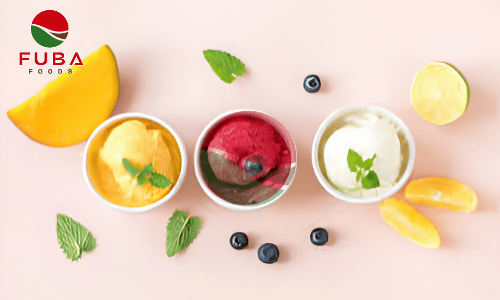
Frozen fruit enables manufacturers to preserve much of the original fruit’s sensory characteristics while creating products that align with these expectations. Tropical fruits such as mango, pineapple, passion fruit, dragon fruit, avocado, and coconut introduce distinctive flavors that support premium beverage positioning and continuous product innovation.
The ability to combine multiple fruit varieties also allows brands to respond quickly to emerging flavor trends without depending entirely on seasonal harvests.
Supply Chain Stability Creates Long-Term Value
Reliable ingredient availability has become increasingly important as beverage production expands across global markets. Climate variability, harvest fluctuations, and transportation disruptions can all affect the availability of fresh fruit, making production planning more difficult.
Frozen fruit offers greater flexibility because products remain available throughout the year under properly managed cold-chain conditions. Longer shelf life enables manufacturers to optimize inventory management, reduce raw material losses, and maintain uninterrupted production schedules despite seasonal variations.
At FUBA, carefully selected tropical fruits are processed shortly after harvest using advanced IQF technology and integrated quality management systems. The company supplies frozen mango, frozen passion fruit, frozen dragon fruit, frozen avocado, and other tropical fruit ingredients that help beverage manufacturers maintain consistent quality across different product applications. By combining reliable raw material sourcing with controlled processing and cold-chain management, the factory helps preserve the natural characteristics of each fruit while ensuring consistency across every production batch.
How Frozen Fruit Ingredients Improve Beverage Manufacturing
The transition toward frozen fruit is not only driven by consumer preferences but also by the operational advantages it offers during beverage production. As product portfolios expand and quality expectations become more demanding, manufacturers increasingly rely on ingredients that simplify production while maintaining consistent performance across every batch.
IQF Technology Preserves the Characteristics Beverage Formulations Require
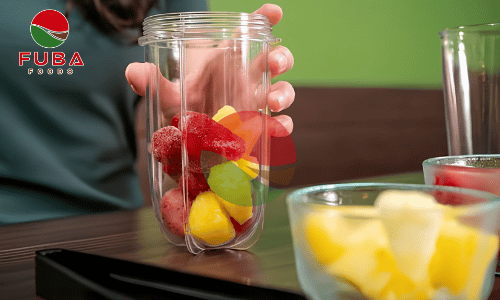
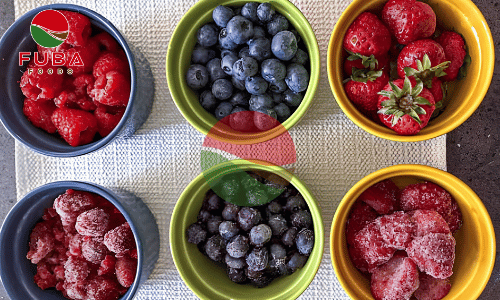
Individual Quick Freezing (IQF) has become one of the most important technologies supporting modern frozen fruit for beverage brands. Unlike conventional freezing methods, IQF rapidly freezes each fruit piece individually, minimizing the formation of large ice crystals that can damage cellular structure.
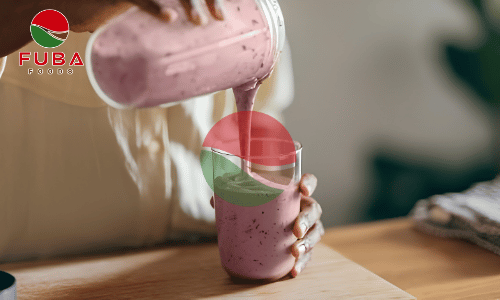
This process helps retain the fruit’s natural color, aroma, texture, and nutritional profile, allowing ingredients to perform consistently in beverage applications. Whether used in smoothies, cold-pressed juices, fruit teas, flavored water, dairy beverages, or plant-based drinks.
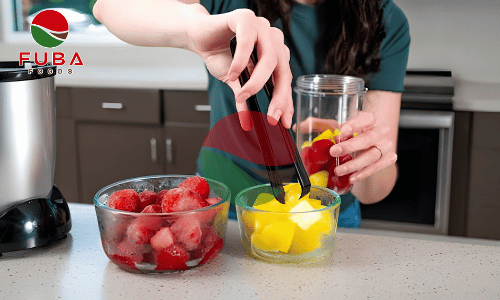
This allows frozen fruit to perform consistently across a wide range of beverage applications, including smoothies, cold-pressed juices, fruit teas, flavored water, dairy beverages, and plant-based drinks. Because each fruit piece remains individually frozen, manufacturers can easily control portion sizes and improve dosing accuracy during automated production. This contributes to greater manufacturing efficiency while reducing unnecessary ingredient waste.
Longer Shelf Life Supports More Efficient Production Planning
Fresh fruit often requires immediate processing to avoid quality deterioration, creating challenges when harvest schedules and production demands do not align. Frozen fruit significantly extends ingredient availability without sacrificing product quality, giving manufacturers greater flexibility in production scheduling.
A longer storage life also allows companies to purchase raw materials during peak harvest periods when fruit quality is at its highest. This approach reduces exposure to seasonal price fluctuations while ensuring a stable supply throughout the year.
Consistent inventory management becomes particularly valuable for beverage manufacturers launching multiple product lines or serving different export markets, where uninterrupted production and predictable ingredient quality are essential for maintaining customer confidence.
What to Look for in a Frozen Fruit Processing Partner
Selecting the right ingredient supplier requires evaluating far more than product specifications. The processing capabilities behind the ingredient often determine how consistently it performs throughout beverage production and how reliably it can support long-term business growth.
Reliable Raw Material Sourcing Creates Consistent Finished Products
The quality of frozen fruit depends heavily on the quality of fresh fruit entering the production line. Fruits harvested at optimal maturity provide better sweetness, aroma, texture, and color, all of which directly influence beverage quality after processing.
Reliable processors establish long-term relationships with growing regions to secure stable raw material supplies while implementing strict inspection procedures before production begins. Careful selection, grading, washing, and preparation help ensure only suitable fruit proceeds through the manufacturing process.
Maintaining these standards throughout different harvest seasons contributes to greater consistency across production batches and reduces formulation variability.
Manufacturing Capability Matters as Much as Certifications
International certifications such as HACCP, ISO 22000, GMP, and traceability systems demonstrate compliance with recognized food safety requirements. However, consistent production quality also depends on manufacturing expertise, process control, and continuous investment in technology.
Modern processing facilities integrate automated sorting systems, stainless-steel production lines, rapid freezing equipment, laboratory testing, and comprehensive quality monitoring throughout every production stage. These capabilities help preserve fruit quality while minimizing contamination risks and operational inconsistencies.
At FUBA, the production process combines carefully selected tropical fruits, advanced IQF technology, integrated quality management, and strict cold-chain control. Every stage from raw material inspection to packaging and export is managed under standardized procedures designed to deliver consistent frozen fruit ingredients for beverage applications across international markets.
The Future of Frozen Fruit in the Beverage Industry
Innovation within the beverage sector continues to accelerate as consumers seek healthier, more natural, and more functional products. Fruit-forward beverages, protein smoothies, botanical drinks, kombucha, dairy alternatives, and plant-based nutrition products all rely increasingly on high-quality fruit ingredients that deliver authentic taste and visual appeal.
At the same time, sustainability has become an equally important consideration. Manufacturers are working to reduce food waste, improve ingredient utilization, and strengthen supply chain resilience. Frozen fruit supports these objectives by extending shelf life, reducing post-harvest losses, and enabling more efficient use of seasonal harvests.
Advances in processing technology, digital traceability, and cold-chain logistics are expected to further strengthen the role of frozen fruit as beverage brands continue expanding premium and health-oriented product portfolios.
As beverage brands continue expanding premium product portfolios, ingredient consistency will become an even more important competitive advantage for manufacturers seeking long-term market growth.
Conclusion
The increasing adoption of frozen fruit for beverage brands reflects a broader transformation in beverage manufacturing. Beyond preserving fruit, modern freezing technologies provide a dependable way to achieve consistent quality, stable supply, and greater production efficiency while meeting consumer demand for natural and clean-label products.
As beverage formulations become more sophisticated, ingredient consistency and supply reliability are becoming essential competitive advantages. Manufacturers that combine responsible raw material sourcing with advanced processing technologies are better positioned to deliver fruit ingredients that support both product innovation and operational performance.
By integrating carefully selected tropical fruits, modern IQF processing, rigorous quality management, and complete cold-chain control, FUBA delivers frozen fruit ingredients designed to meet the evolving requirements of the global beverage industry. This integrated manufacturing approach helps preserve the natural characteristics of every fruit while providing the consistency, traceability, and reliability required for long-term product development and sustainable business growth.


