

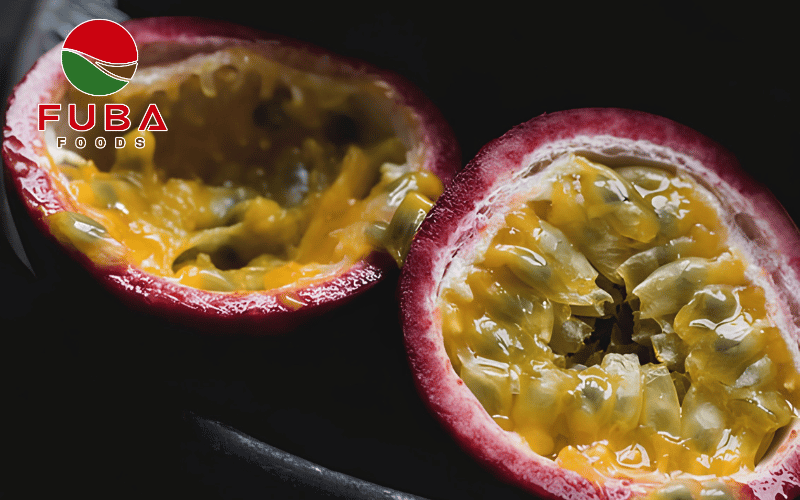
Vietnam has become one of Asia’s leading suppliers of processed tropical fruits, with passion fruit emerging as one of its fastest-growing export products. Thanks to favorable growing conditions, expanding cultivation areas, and modern food processing capabilities, Vietnamese manufacturers are increasingly supplying frozen passion fruit to beverage producers, food manufacturers, distributors, and private-label brands worldwide.
Passion fruit export Vietnam offers international buyers a reliable combination of abundant raw materials, advanced IQF processing, internationally recognized food safety certifications, competitive manufacturing costs, and stable year-round supply. These advantages make Vietnam an attractive sourcing destination for businesses seeking consistent product quality and long-term manufacturing partnerships.
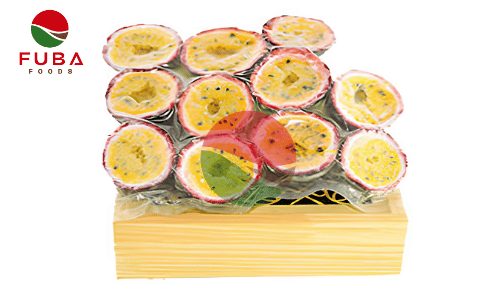
However, selecting the right supplier involves more than comparing prices. International buyers increasingly evaluate production capabilities, traceability, food safety certifications, processing technology, and export experience before establishing long-term partnerships. Understanding why Vietnam has become a preferred sourcing destination helps importers reduce supply risks while maintaining consistent product quality.
This article provides an overview of Vietnam’s passion fruit export industry, explores the country’s key competitive advantages, and explains how international buyers can identify reliable suppliers that deliver consistent quality, food safety compliance, and long-term supply stability.
Why International Buyers Source Passion Fruit from Vietnam
Vietnam offers a unique combination of agricultural advantages, expanding processing capacity, and export-oriented manufacturing that makes it an increasingly attractive sourcing destination for international buyers. With favorable growing conditions across multiple growing regions and continued investment in frozen fruit processing, the country is well positioned to supply high-quality passion fruit products throughout the year.
Increasing Global Demand Creates New Export Opportunities
Consumer preferences continue shifting toward healthier, plant-based, and naturally sourced food products. Passion fruit has become increasingly popular because of its distinctive tropical flavor, vibrant color, and high nutritional value, making it an attractive ingredient for juice concentrates, smoothies, frozen desserts, yogurt, confectionery, cocktails, and ready-to-drink beverages. This trend has encouraged food manufacturers worldwide to diversify their sourcing strategies and establish partnerships with countries capable of delivering consistent product quality throughout the year.
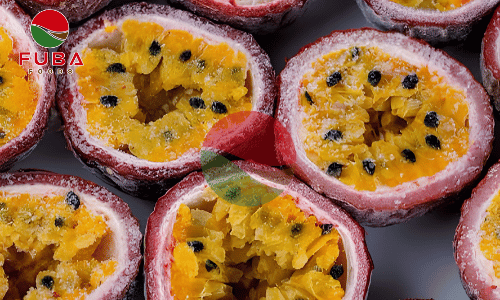
Vietnam is well positioned to meet these changing market demands. Unlike suppliers that primarily export fresh fruit, many Vietnamese manufacturers have expanded their processing capabilities to supply frozen passion fruit pulp, puree, juice concentrate, cubes, and other customized formats suitable for industrial production. This flexibility allows international buyers to source ingredients tailored to specific manufacturing requirements while reducing waste and improving production efficiency.
Manufacturers operating integrated processing facilities such as FUBA offer advantages beyond production capacity alone. By controlling raw material sourcing, processing, quality inspection, packaging, and cold storage within a unified manufacturing system, they can deliver greater consistency, traceability, and long-term supply reliability than exporters that rely heavily on outsourced production.
What International Buyers Look for in a Passion Fruit Export Vietnam Supplier
As Vietnam strengthens its position in the global frozen fruit industry, the number of exporters has grown significantly. However, not every supplier offers the same level of manufacturing capability, quality control, or export experience. For importers, selecting the right passion fruit export Vietnam partner is about minimizing supply chain risks while ensuring consistent product performance across every shipment.
Beyond competitive pricing, buyers increasingly evaluate whether a supplier can maintain stable raw material sourcing, comply with international food safety regulations, and adapt production to different market requirements. Manufacturers with direct processing facilities often provide greater transparency and control over the entire production process, resulting in more reliable product quality and stronger long-term partnerships.
Consistent Quality Starts with Raw Material Control
One of the biggest challenges for food manufacturers is maintaining product consistency. Variations in fruit maturity, color, acidity, or Brix level can affect beverage formulations, dessert recipes, and industrial food production, leading to additional adjustments and increased manufacturing costs.
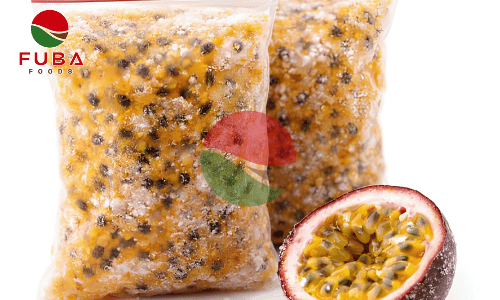
Reliable Vietnamese manufacturers address this challenge by implementing strict raw material selection procedures before processing begins. Passion fruits are harvested at optimal maturity, carefully sorted, and inspected to ensure they meet predefined quality specifications. Combined with standardized processing protocols, this approach helps deliver consistent flavor, aroma, texture, and nutritional value throughout the year.
For factory-based producers like FUBA, controlling the production process from raw material sourcing through final packaging allows every batch to meet the same quality standards while improving traceability and reducing quality variation.
Food Safety Certification and Full Traceability Matter More Than Ever
Food safety has become a non-negotiable requirement in international sourcing. Importers supplying supermarkets, restaurant chains, beverage brands, or food manufacturers need assurance that every shipment complies with global regulatory standards and can be fully traced throughout the supply chain.
Experienced manufacturers therefore invest in internationally recognized management systems such as HACCP, ISO 22000, BRCGS, FDA registration, and other certifications depending on destination markets. These systems establish standardized procedures covering raw material inspection, hygiene control, processing, packaging, storage, and documentation, reducing operational risks for overseas buyers.
Equally important is product traceability. A comprehensive traceability system enables every production lot to be tracked from the farm to the finished export shipment, supporting regulatory compliance while providing buyers with greater confidence in product authenticity and quality management.
Before moving to production technology, buyers should also consider whether a supplier has the manufacturing capability to preserve the fruit’s natural characteristics during large-scale processing.
How Vietnam Meets International Standards for Passion Fruit Export
Meeting international demand requires far more than growing high-quality fruit. Buyers expect suppliers to deliver products that comply with strict food safety regulations while maintaining consistent quality across every shipment. This is why leading manufacturers involved in passion fruit export Vietnam invest heavily in modern processing technology, standardized quality management systems, and integrated cold chain logistics.
For food manufacturers, distributors, and private-label brands, these capabilities reduce supply chain risks and ensure ingredients perform consistently in large-scale production. Working with a factory that controls every stage of processing also improves communication, traceability, and responsiveness when market requirements evolve.
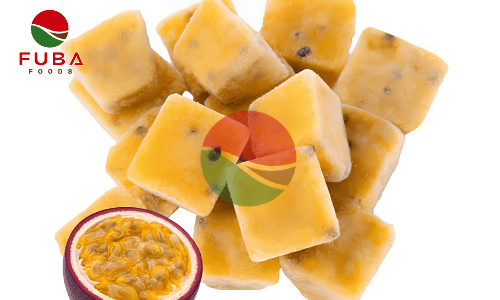
Advanced IQF Processing Preserves Product Quality
Individual Quick Freezing (IQF) has become one of the most widely adopted technologies in the frozen fruit industry because it preserves the fruit’s natural characteristics while extending shelf life. Unlike conventional freezing methods that often produce large ice crystals and damage cell structures, IQF rapidly freezes each piece individually, helping maintain texture, flavor, color, and nutritional value after thawing.
For frozen passion fruit, this technology is particularly valuable because it minimizes moisture loss and preserves the fruit’s naturally vibrant appearance and refreshing tropical flavor. These qualities are essential for manufacturers producing beverages, smoothies, dairy products, desserts, bakery fillings, sauces, and other processed foods where ingredient consistency directly influences the final product.

At FUBA’s passion fruit processing facility, carefully selected passion fruit is rapidly frozen using advanced IQF technology shortly after preparation. By freezing each piece individually within minutes, the process minimizes ice crystal formation, helping preserve the fruit’s natural color, tropical aroma, flavor, and nutritional value. Combined with standardized quality inspections and controlled cold storage, this production system ensures consistent product performance for industrial food manufacturing.
Manufacturing Capability and Export Experience Support Long-Term Partnerships
Processing technology alone is not enough to guarantee a reliable supply. International buyers also assess whether a supplier has sufficient production capacity, experienced export operations, and the flexibility to meet changing business requirements.
Manufacturers with integrated production facilities are generally better equipped to manage fluctuations in seasonal demand because they can coordinate raw material sourcing, processing, packaging, storage, and shipment within a unified system. This operational control reduces delays, improves production planning, and helps maintain stable delivery schedules throughout the year.
In addition, experienced exporters understand the documentation and compliance requirements of different markets, including certificates of origin, quality documentation, phytosanitary requirements where applicable, and customer-specific specifications. Suppliers that offer customized packaging, OEM or private-label production, and flexible product formats can further support buyers seeking differentiated products for their target markets.

The Future of Passion Fruit Export Vietnam in the Global Market
Global demand for tropical fruit ingredients is expected to continue growing as consumers seek healthier, natural, and convenient food options. Beverage producers, dairy manufacturers, bakery companies, and foodservice businesses are increasingly incorporating passion fruit into product development because of its distinctive flavor profile, nutritional value, and versatility across multiple applications. This trend creates significant opportunities for passion fruit export Vietnam, particularly as buyers diversify their sourcing strategies and seek dependable manufacturing partners in Asia.
Vietnam is well positioned to capitalize on this demand. Continued investment in modern processing technologies, internationally recognized food safety systems, and sustainable agricultural practices is strengthening the country’s reputation as a reliable supplier of frozen and processed tropical fruits. At the same time, free trade agreements and improvements in logistics infrastructure continue to enhance Vietnam’s competitiveness in key export markets, including Europe, North America, the Middle East, and the Asia-Pacific region.
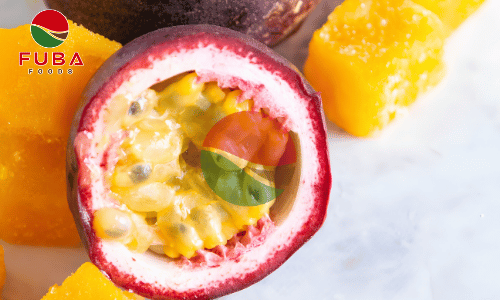
For international buyers, long-term success depends not only on sourcing high-quality products but also on building partnerships with manufacturers that can consistently meet changing market requirements. Suppliers with integrated production facilities, transparent quality management systems, and flexible manufacturing capabilities are better equipped to support stable supply, product customization, and regulatory compliance. Manufacturers such as FUBA demonstrate how Vietnam’s processing industry continues to evolve, combining advanced production technology with export expertise to deliver reliable frozen passion fruit solutions for global customers.
Conclusion
Vietnam has established itself as a competitive sourcing destination for frozen passion fruit by combining abundant raw materials, advanced processing technology, internationally recognized food safety standards, and efficient export capabilities. As global demand for premium tropical fruit ingredients continues to grow, international buyers are increasingly prioritizing suppliers that can deliver consistent quality, reliable supply, and long-term manufacturing support.
Rather than focusing solely on price, businesses should evaluate production capacity, traceability, certifications, processing technology, and export experience when selecting a manufacturing partner.


