


For importers, distributors, food manufacturers, and foodservice companies, choosing a Vietnam frozen fruit supplier is about more than finding a source of frozen tropical fruit. The supplier needs to provide consistent raw materials, suitable product formats, controlled processing, reliable cold-chain management, and enough production capacity to support commercial orders.
Vietnam is an attractive sourcing market because of its diverse tropical fruit-growing regions and established agricultural supply chains. Fruits such as mango, passion fruit, dragon fruit, avocado, jackfruit, and durian can be processed into frozen formats for year-round use in beverages, desserts, bakery products, food manufacturing, and foodservice.
The right supplier, however, makes a significant difference. Global buyers need to look beyond the origin of the fruit and evaluate how the supplier manages sourcing, processing, freezing, quality control, packaging, storage, and export.
This article explains what buyers should consider when sourcing frozen fruit from Vietnam and how to identify a factory capable of supporting consistent international supply.
Why Source Frozen Fruit from Vietnam?
Vietnam offers an important combination of agricultural diversity and tropical fruit production. Different growing regions provide access to a wide range of fruits, allowing suppliers to build a broader product portfolio instead of depending on a single crop or production area.
This regional diversity also matters for supply continuity. A professional frozen fruit supplier can work with different farming regions and harvest periods to secure raw materials when individual fruits reach suitable maturity and quality. Vietnam’s harvest calendar covers products including mango, dragon fruit, passion fruit, avocado, durian, and jackfruit across different periods of the year, supporting a more structured approach to raw-material planning.
For international buyers, this can be particularly valuable because frozen processing extends the commercial usability of fruit beyond the fresh harvest period. Instead of purchasing only when fresh fruit is available in the destination market, manufacturers can source frozen ingredients that have already been processed into specifications suitable for production.
Cost efficiency is another reason buyers consider Vietnam, but the factory’s sourcing and processing model should be evaluated rather than comparing raw fruit prices alone. Efficient procurement, processing, freezing, packaging, and storage can influence the total landed cost of a frozen fruit product. A supplier with direct production capability can also provide greater control over these stages than a purely trading-based model.
What Frozen Fruit Products Can Buyers Source from Vietnam?
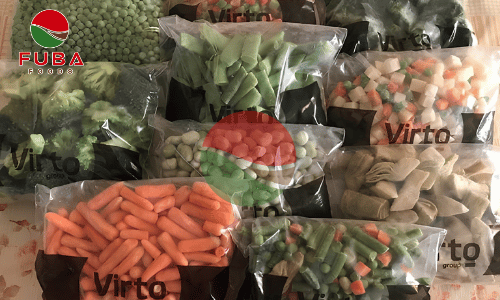
A capable Vietnam frozen fruit supplier should be able to provide more than one standard frozen format. Different food applications require different specifications, and the right format can significantly reduce preparation work at the buyer’s facility.
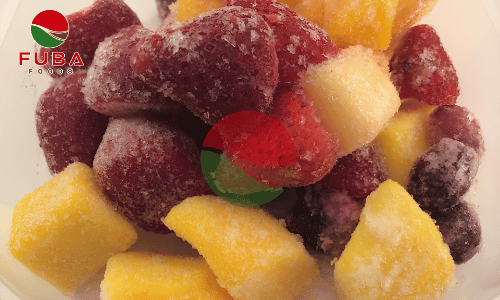
Mango is commonly processed into cubes, halves, and puree, while passion fruit can be supplied as pulp with seed, seedless cubes, or puree. Avocado can be prepared as cubes, slices, or puree, while dragon fruit can be supplied as cubes, slices, or puree. These formats allow manufacturers to select ingredients according to their production process rather than purchasing whole frozen fruit and carrying out additional preparation themselves.
Vietnamese frozen fruit can therefore serve a broad range of applications. Fruit cubes and slices may be used in smoothies, desserts, bakery products, and prepared foods, while puree and pulp formats are particularly practical for beverages, ice cream, yogurt, sauces, and other processed products.
For a commercial buyer, the key question is not simply whether a supplier carries a particular fruit. It is whether the supplier can provide the required fruit in the correct cut, size, maturity specification, texture, packaging, and production volume.
How Does Factory Processing Affect Frozen Fruit Quality?
The quality of frozen fruit begins before freezing. Raw material selection, maturity, sorting, preparation, and handling can all influence the characteristics of the finished product.
A controlled factory process should begin with sourcing from selected agricultural regions and inspecting incoming raw materials. The fruit is then washed and cleaned, sorted according to relevant specifications, prepared or cut, frozen, inspected, packed, stored, and finally shipped through a controlled cold chain. This integrated sequence provides more control over product consistency than simply freezing raw fruit without standardized processing.
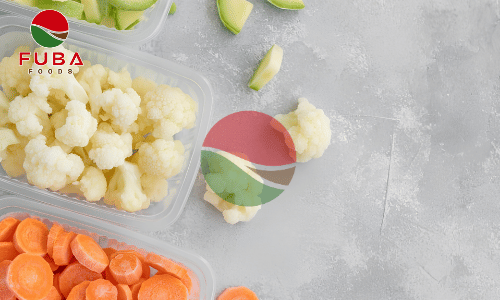
For buyers, this is one of the most important differences between a manufacturing supplier and a trading intermediary. A factory with control over processing can adjust preparation and specifications according to the product requirement, while also monitoring the stages that directly affect the final frozen product.
Why Is IQF Important for Frozen Fruit?
IQF, or Individually Quick Frozen technology, is widely used when individual frozen fruit pieces need to remain separated and retain their intended shape. The process rapidly freezes individual pieces and can help preserve natural color, texture, flavor, and nutritional value.
However, buyers should not evaluate IQF solely by whether a supplier owns an IQF freezer. Freezing performance also depends on factors such as fruit preparation, piece size, product loading, freezing conditions, and post-freezing handling. A suitable process needs to be matched to the characteristics of the specific fruit.
FUBA operates six IQF freezing lines with a stated capacity of 500 kg per hour per line, together with contact and air-blast freezing systems. This type of equipment mix allows different freezing approaches to be used according to product requirements rather than treating every fruit in exactly the same way.
What Quality Standards Should a Vietnam Frozen Fruit Supplier Meet?
For international sourcing, quality control should cover the entire production chain. Buyers should understand how the supplier controls raw materials, hygiene, processing, foreign-material risks, finished products, storage, and traceability.
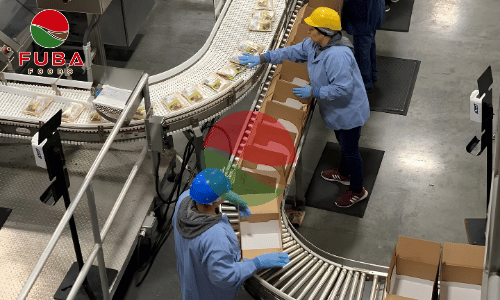
Internationally recognized food safety systems provide an important framework for this evaluation. The factory documentation for FUBA identifies FDA, HACCP, ISO 22000, HALAL, and BRCGS among its quality and food safety systems. Its facility also includes five metal detection systems, three X-ray inspection systems, and an in-house microbiological laboratory.
These systems are most meaningful when they are integrated into daily production rather than treated simply as certification claims. Buyers should ask how incoming fruit is inspected, how specifications are verified during processing, how foreign-material detection is performed, and how finished products are identified and traced.
For a long-term supply relationship, consistency is often more important than a single successful shipment. The objective is to receive the same product specification repeatedly, even when raw-material conditions and production schedules change.
How Can Buyers Assess the Production Capacity of a Vietnam Frozen Fruit Supplier?
A supplier’s production capacity becomes especially important when an initial sample order develops into recurring commercial demand. A supplier may provide good samples but struggle to maintain volume if its factory, sourcing network, or cold-storage capacity is limited.
Buyers should therefore consider the complete production infrastructure rather than looking at an annual capacity figure alone. Freezing lines, preparation equipment, inspection systems, storage facilities, raw-material sourcing, and workforce all contribute to a supplier’s ability to handle regular orders.
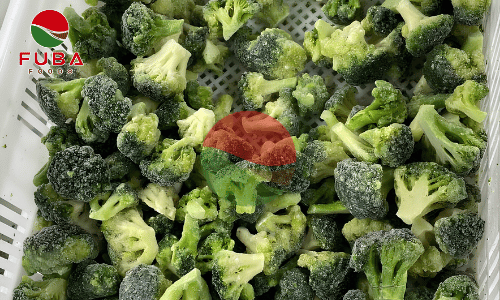
FUBA’s factory in Ca Mau has a stated annual supply capacity of 20,000 MT, more than 600 workers, over 15 years of experience, and export markets covering more than 30 countries. Its production infrastructure includes six IQF lines, three contact freezing lines, two air-blast freezing systems, and three cold-storage facilities with a capacity of 500 MT each.
For buyers, these figures provide useful context when assessing whether a supplier has the physical infrastructure to support larger commercial programs. Capacity should still be discussed alongside the specific fruit, format, required specification, and expected order schedule.
What Packaging and Specifications Should Buyers Discuss?
Packaging is not simply a final-stage decision. It should be aligned with the product’s intended market, transportation conditions, storage requirements, and purchasing volume.
Frozen fruit may be supplied in retail, foodservice, or bulk export formats. Specifications should also be clearly defined before production. For example, a buyer sourcing mango cubes may need a particular cube size and consistency, while a beverage manufacturer purchasing passion fruit puree may prioritize Brix, texture, and fruit content. The more precise the specification, the easier it becomes for both sides to evaluate samples and maintain consistency during commercial production.
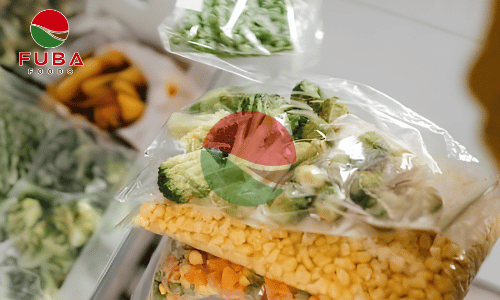
This is where manufacturing flexibility becomes valuable. FUBA provides customized specifications, packaging formats, and private-label manufacturing, giving buyers the option to develop frozen fruit products around their own commercial requirements rather than relying only on fixed supplier formats.
How Does Cold-Chain Management Affect Frozen Fruit Supply?
Freezing is only one part of maintaining frozen fruit quality. Once processing is complete, products need to remain under controlled frozen conditions during storage and shipment.
A supplier should have sufficient cold-storage capacity and procedures for moving products from production to storage and eventually to export. The factory process specifies finished-product storage below -18°C and includes controlled cold storage before export shipment.
This becomes particularly important for international shipments because frozen fruit can spend considerable time between factory production and arrival at the buyer’s facility. Temperature management, packaging integrity, storage conditions, and cold-chain logistics all contribute to maintaining the product’s intended quality.
For this reason, buyers should evaluate the supplier’s cold-chain capability as part of the factory assessment rather than treating transportation as a completely separate issue.
How Should Global Buyers Choose a Vietnam Frozen Fruit Supplier?
The best supplier is not necessarily the one offering the lowest quotation. A more reliable sourcing decision comes from evaluating whether the supplier can consistently deliver the right fruit, in the right format, at the required quality and volume.
Start with raw-material sourcing. Ask where the fruit comes from, how the supplier manages seasonal availability, and how incoming materials are inspected. Then evaluate the processing system, including preparation, freezing technology, quality inspection, packaging, and storage.
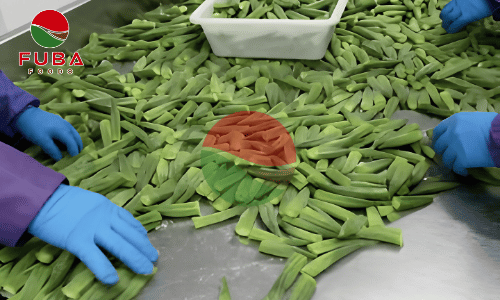
Product capability should also be tested through samples. Buyers should compare the sample against the agreed specification rather than evaluating appearance alone. Texture, color, size, cut consistency, Brix where relevant, packaging, and cooking or processing performance may all matter depending on the final application.
Finally, evaluate the supplier as a factory rather than only as a sales organization. Production capacity, equipment, quality systems, traceability, cold storage, customization capability, and export experience provide a much clearer picture of whether the supplier can support a long-term commercial relationship.
Conclusion
Vietnam is an increasingly practical sourcing market for global companies looking for frozen fruit, particularly when buyers need tropical fruit varieties, flexible formats, and factory-level processing.
A reliable Vietnam frozen fruit supplier should be able to demonstrate control over the complete supply chain, from raw-material sourcing and preparation to IQF freezing, quality inspection, packaging, cold storage, and export shipment. The supplier should also have sufficient capacity and technical flexibility to maintain consistent specifications as order volumes grow.
For global buyers, the most important decision is therefore not simply where the fruit comes from, but who processes it and how that factory manages quality, capacity, and supply continuity. Evaluating these factors carefully can help buyers move from one-off purchasing to a more stable and predictable frozen fruit supply relationship.


