

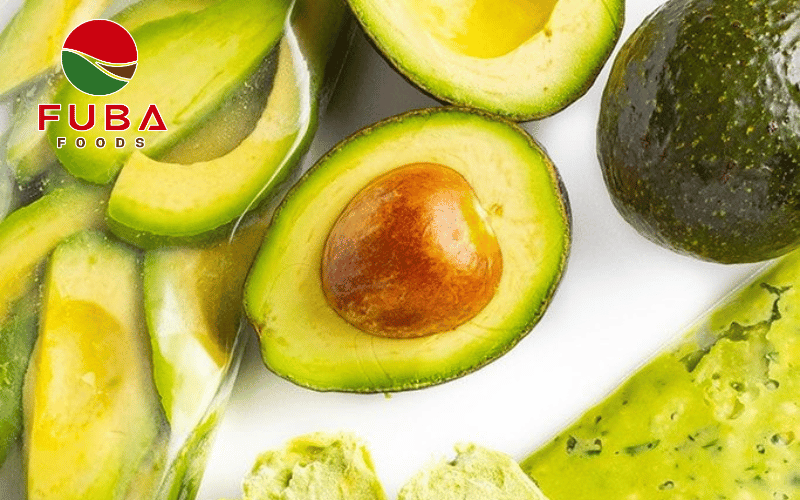
Vietnam is emerging as a competitive avocado sourcing destination for international buyers seeking fresh avocados, IQF frozen avocado, avocado puree, and year-round supply programs.
Supported by favorable growing conditions in the Central Highlands, expanding processing capacity, and internationally recognized food safety certifications, Vietnam offers growing opportunities for importers, distributors, retailers, and food manufacturers worldwide.
This article explores the Vietnam avocado export market in greater depth, explaining why the industry is expanding so quickly while also highlighting the key challenges it faces. From rising international demand and improved production capacity to issues such as quality consistency, post-harvest losses, logistics, and compliance with strict import standards, Vietnam’s avocado sector presents both strong opportunities and important obstacles for exporters and global buyers alike.
Why Vietnam Avocado Export Is Growing Rapidly
The global avocado industry has experienced remarkable growth over the past decade, driven by changing consumer preferences, expanding food applications, and increasing demand for convenient fruit products. As avocados become a staple ingredient in modern diets and food manufacturing, new opportunities are emerging for suppliers capable of delivering consistent quality and reliable supply. These market trends are creating favorable conditions for the continued growth of Vietnam avocado exports.
Expanding Global Demand for Avocados
Consumer demand for avocados continues to grow across retail, foodservice, and food manufacturing sectors worldwide. The increasing popularity of healthy eating habits, plant-based diets, and convenient food products has transformed avocados from a niche fruit into a mainstream ingredient used in a wide range of applications, including smoothies, salads, ready-to-eat meals, and value-added food products.
Global avocado consumption has expanded significantly over the past two decades, particularly in North America, Europe, and Asia. According to FAO-based industry analysis published by Choices Magazine, avocado consumption in Europe increased more than fourfold, while Asia-Oceania recorded more than threefold growth during the same period. As consumer demand for nutritious, plant-based, and convenient food solutions continues to rise, international buyers are increasingly seeking reliable sourcing destinations capable of providing consistent quality and stable supply.
Rising Demand for Processed Avocado Products
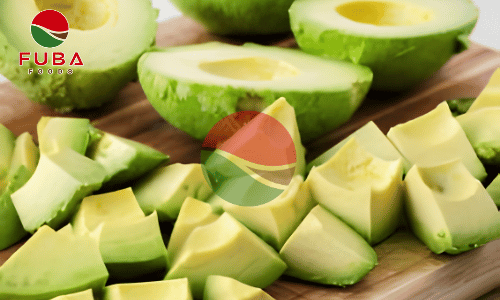
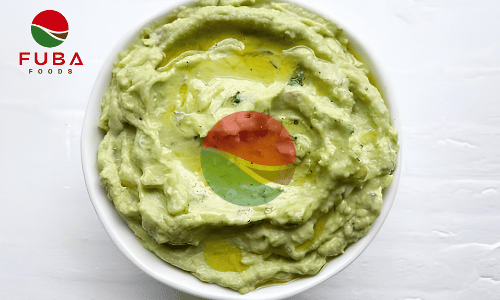
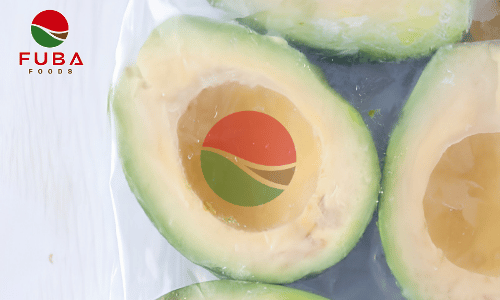
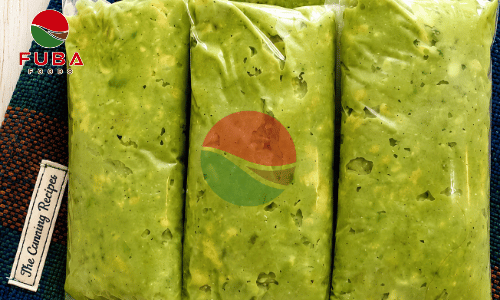
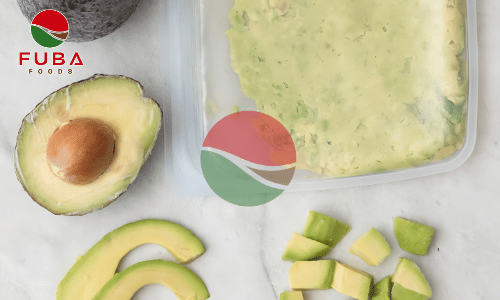
In addition to fresh fruit, the demand for processed avocado products is growing rapidly. Food manufacturers, beverage brands, and foodservice operators increasingly utilize frozen avocado, avocado puree, and value-added ingredients to improve convenience, extend shelf life, and ensure year-round availability while minimizing operational waste. To capture this trend, modern Vietnamese facilities are deploying Individual Quick Freezing (IQF) technology. By rapidly freezing avocado halves, dices, slices, and chunks at extremely low temperatures, IQF preserves the fruit's natural color, creamy texture, rich flavor, and nutritional value without cellular damage. This technological advancement allows Vietnam to supply premium processed options consistently, making it an attractive sourcing destination for global industrial buyers.
Vietnam’s Expanding Processing Capacity
To meet evolving market requirements, Vietnam has seen increasing investment in fruit processing infrastructure and export-oriented production. Modern processing technologies, including IQF freezing and puree production, allow manufacturers to create higher-value avocado products for international markets. Combined with growing industry expertise and stronger supply chain integration, these developments are helping Vietnam strengthen its position as a reliable sourcing destination for both fresh and processed avocado products.

Vietnam’s Natural Advantages for Avocado Production
Vietnam’s avocado industry benefits from a unique combination of favorable geography, climate conditions, and growing expertise. These natural advantages have helped position the country as an emerging supplier in the global avocado market.
Ideal Climate and Fertile Basalt Soil
The Central Highlands region, particularly Dak Lak, Lam Dong, Gia Lai, and Dak Nong provinces, offers some of the most favorable conditions for avocado cultivation in Southeast Asia. The region’s fertile basalt soil is rich in minerals and organic matter, supporting healthy root development and efficient nutrient absorption. Combined with moderate temperatures, abundant sunshine, favorable rainfall distribution, and high-altitude growing conditions, these factors create an ideal environment for producing high-quality avocados.
The unique agro-climatic conditions of the Central Highlands contribute to several desirable fruit characteristics, including creamy texture, higher oil content, uniform sizing, attractive skin appearance, and rich flavor profiles. In addition, the region’s diverse microclimates allow growers to cultivate different avocado varieties and extend harvesting periods, helping ensure a more stable supply throughout the year. These advantages provide Vietnam with a competitive edge in the global avocado industry and strengthen its attractiveness as a sourcing destination for international buyers.

Why Source Avocados from Vietnam?
As global avocado demand continues to grow, buyers are increasingly exploring alternative sourcing origins beyond traditional suppliers such as Mexico, Peru, Colombia, and Kenya. In this competitive landscape, Vietnam offers several advantages that make it an attractive sourcing destination for both fresh and processed avocado products.
One of Vietnam’s key strengths is its strategic location in Southeast Asia. For buyers in major Asian markets such as China, Japan, South Korea, and Singapore, shorter transit times can help reduce logistics costs, improve product freshness, and enhance supply chain efficiency compared with sourcing from more distant producing countries.
Vietnam also benefits from diverse growing regions and staggered harvest schedules that support extended product availability throughout the year. This provides buyers with greater sourcing flexibility and helps reduce supply risks associated with concentrated harvest seasons.
In addition, the country’s expanding fruit processing sector is creating new opportunities for buyers seeking value-added avocado products. With growing investments in IQF technology, cold-chain infrastructure, and export-oriented manufacturing, Vietnam is increasingly capable of supplying frozen avocado and avocado puree products that meet international quality and food safety requirements.
Combined with competitive production costs, improving agricultural standards, and expanding export expertise, these advantages are strengthening Vietnam’s position as an emerging supplier in the global avocado market.
Year-Round Harvest Seasons
In addition to favorable growing conditions, Vietnam benefits from an extended avocado harvesting period that supports more stable supply availability throughout the year. Rather than relying on a short harvest window, production from different growing areas becomes available at different times, helping maintain raw material availability for both fresh and processed avocado programs.
For international buyers, longer harvest availability can help reduce sourcing disruptions, support supply continuity, and improve procurement planning. Combined with expanding cold-chain infrastructure and modern processing capabilities, this extended supply window strengthens Vietnam’s ability to serve global markets with greater consistency.
Sustainable Farming Development
To meet growing international demand for responsibly sourced produce, many Vietnamese avocado growers are adopting recognized agricultural standards such as VietGAP and GlobalGAP.
These standards support food safety, responsible input management, water efficiency, and traceability throughout the supply chain. Improved farm management practices help ensure more consistent quality while supporting compliance with international market requirements.
As sustainability becomes an increasingly important purchasing criterion, these developments strengthen Vietnam’s competitiveness in global avocado markets.
Diverse Avocado Varieties for Different Market Needs
Vietnam cultivates a diverse range of avocado varieties, allowing exporters to serve different market segments and processing requirements. This variety diversity helps buyers select products that best match their commercial needs while supporting greater flexibility in export programs.
Hass avocado is widely preferred in premium international markets due to its creamy texture, high oil content, and strong consumer recognition. Booth avocado offers excellent storage and transportation characteristics, making it suitable for long-distance shipments and extended supply chains. Meanwhile, Vietnam’s distinctive 034 avocado variety provides a unique product offering with its elongated shape, bright yellow flesh, smooth texture, and relatively small seed cavity.
The availability of multiple avocado varieties enables Vietnamese exporters to serve fresh produce distributors, retail chains, food service businesses, and food processors across different regions. This diversity strengthens Vietnam’s competitiveness and supports its growing presence in global avocado markets.
Factory Processing Standards Supporting Vietnam Avocado Export
In addition to cultivation practices, processing capabilities play a crucial role in determining the quality, safety, and marketability of avocado products. As international buyers place increasing emphasis on consistency and compliance, modern processing facilities have become an important part of Vietnam’s growing avocado export industry. From raw material sourcing to cold-chain management and food safety certification, each stage of the production process contributes to maintaining export-quality standards.
Modern processing capabilities play a vital role in maintaining product quality throughout the export supply chain. At FUBA, avocado products are processed under internationally recognized food safety systems and supported by strict quality control procedures, helping ensure consistent quality for global buyers.
GAP-Compliant Sourcing and Quality Control
Reliable export programs begin with careful raw material selection and close collaboration with growers. Many processors work with farming cooperatives and production areas that follow recognized agricultural standards to help ensure consistent fruit quality, proper harvest timing, and traceable sourcing practices. Once harvested, avocados undergo grading and quality assessment based on factors such as size, appearance, ripeness, and external defects. These quality control procedures help maintain consistency across production batches and support buyer confidence in long-term supply programs.
Cold Chain Management and Fresh Avocado Preservation
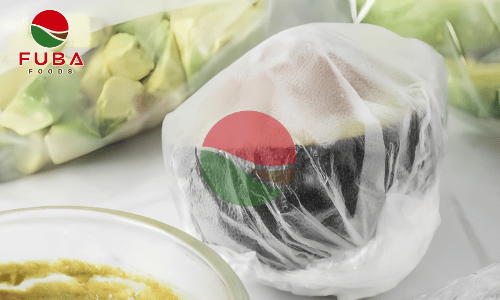
Maintaining avocado quality throughout storage and transportation is essential for successful export operations. Post-harvest handling procedures often include pre-cooling, temperature-controlled storage, protective packaging, and refrigerated transportation. An effective cold chain helps preserve freshness, reduce spoilage, and minimize quality losses during transit, particularly for shipments destined for distant international markets. Proper temperature management also plays a key role in extending shelf life and maintaining product quality from origin to destination.
To meet international market requirements, many processing facilities also operate under recognized food safety systems such as HACCP, ISO 22000, FDA Registration, and BRCGS. These certifications demonstrate a commitment to quality management, food safety, and regulatory compliance, helping Vietnamese avocado products gain wider acceptance in global markets.
Global Market Opportunities for Vietnam Avocado Export
Growing global demand for avocados continues to create significant opportunities for exporters worldwide. Driven by increasing interest in healthy eating, plant-based diets, and convenient food solutions, avocados have evolved from a niche product into a mainstream ingredient used across retail, foodservice, and food manufacturing sectors.
Growing Demand Across Key International Markets
Asia represents a powerhouse of expanding import volumes, with China, Japan, South Korea, and Singapore leading the regional demand. For these Asian markets, Vietnam’s geographical proximity provides a definitive competitive edge, significantly reducing transit times and optimizing logistics costs.
Meanwhile, Europe and North America remain essential high-value destinations. In these Western markets, demand extends far beyond fresh fruit to include diverse applications in ready-to-eat meals, foodservice, dairy products, and processed food manufacturing. As global buyers seek reliable suppliers capable of maintaining strict compliance and food safety standards, Vietnam is increasingly well-positioned to secure a share of these expanding high-value market opportunities.
Export Standards and Challenges in Vietnam Avocado Export
While global demand continues to expand, successful participation in international avocado markets depends on meeting strict quality, safety, and regulatory requirements. Buyers increasingly evaluate suppliers based not only on product quality but also on consistency, traceability, and compliance with international standards.
Maintaining Consistent Quality and Supply
One of the key challenges in avocado export is ensuring consistent product quality across multiple shipments. Variations in fruit maturity, size, appearance, and oil content can affect customer satisfaction and commercial performance. In addition, exporters must maintain stable supply volumes despite seasonal fluctuations and agricultural risks. Strong sourcing programs, quality control procedures, and grower partnerships are essential for supporting long-term export relationships.
Meeting International Compliance Requirements
Navigating international compliance requires strict adherence to the certifications established at the farm and factory levels. In addition, exporters must meet phytosanitary requirements, maintain product traceability, and comply with destination-specific import regulations.
Effective traceability systems, proper documentation, and regulatory compliance help facilitate customs clearance, strengthen buyer confidence, and improve access to high-value export markets. As competition within the global avocado industry continues to increase, adherence to international standards remains a critical factor in long-term export success.
Selecting the right supplier is a critical factor in successful avocado sourcing. Buyers often evaluate processing capabilities, food safety certifications, traceability systems, and export experience before establishing long-term partnerships.
As a Vietnam-based fruit processor, FUBA supplies both fresh and processed avocado products, including IQF frozen avocado and avocado puree, supported by internationally recognized food safety standards and export-oriented production systems.
Conclusion
Vietnam avocado export continues to gain momentum as global demand for nutritious and sustainably sourced food products increases. Supported by favorable growing conditions, diverse avocado varieties, expanding processing capabilities, and improving food safety standards, Vietnam is steadily strengthening its position in the international avocado market.
From fresh avocados to value-added products such as IQF frozen avocado and avocado puree, Vietnamese suppliers are increasingly able to meet the evolving needs of global buyers across retail, foodservice, and food manufacturing sectors. As the industry continues to develop, Vietnam is well positioned to become an increasingly important sourcing destination for international avocado procurement programs.


