


As sustainability becomes a defining priority across the global food industry, sourcing decisions are no longer driven solely by price and product availability. Food companies are increasingly expected to demonstrate responsible sourcing practices, transparent supply chains, and compliance with stringent environmental and food safety standards. This shift has accelerated interest in sustainable fruit sourcing Vietnam, where abundant tropical fruit production is increasingly supported by modern farming methods, traceable supply chains, and advanced processing capabilities.
Sustainable fruit sourcing Vietnam combines responsible agricultural practices, transparent supply chain management, and modern processing technologies to deliver high-quality fruit ingredients with consistent quality and reliable year-round availability. By integrating sustainable farming with internationally recognized food safety standards, Vietnam has become an increasingly trusted sourcing destination for global food production.
The value of sustainable sourcing extends far beyond environmental responsibility. It strengthens supply stability, improves raw material consistency, supports regulatory compliance, and helps food businesses respond to growing consumer expectations for ethically and responsibly produced products. Understanding how Vietnam’s fruit industry is evolving provides valuable insight into what makes a sustainable sourcing partner truly reliable.
This article explores the key principles of sustainable fruit sourcing in Vietnam, the advantages the country offers international food manufacturers, and the factors buyers should consider when selecting a reliable sourcing partner.
What Is Sustainable Fruit Sourcing in Vietnam and Why Does It Matter?
Sustainable fruit sourcing Vietnam refers to the responsible procurement of fresh fruit through farming, harvesting, processing, and distribution systems that balance environmental protection, product quality, economic viability, and long-term agricultural development. Rather than focusing only on purchasing fruit, sustainable sourcing emphasizes building resilient supply chains that benefit growers, processors, and customers alike.
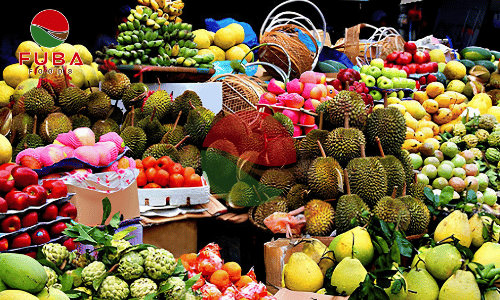
Vietnam’s diverse climate allows a wide range of tropical fruits including mango, avocado, dragon fruit, passion fruit, pineapple, banana, coconut, and jackfruit to be cultivated throughout different regions of the country. Combined with increasing investment in agricultural modernization, these natural advantages enable a more stable supply of high-quality raw materials for processing throughout the year.
As international food regulations continue to evolve, sustainable sourcing has also become closely linked to traceability, responsible pesticide management, standardized farming practices, and certified food safety systems. These elements are now considered essential for maintaining product quality and meeting the expectations of export markets.

Benefits of Sustainable Fruit Sourcing in Vietnam for Food Manufacturers
Global supply chains have become increasingly complex in recent years, making consistency and transparency more important than ever. Seasonal disruptions, climate variability, and stricter import requirements have encouraged food companies to work with suppliers capable of demonstrating reliable sourcing practices rather than simply offering competitive pricing.
According to IBM’s Institute for Business Value, more than 70% of consumers are willing to pay a premium for brands that demonstrate sustainability and transparency, encouraging manufacturers to strengthen responsible sourcing strategies.
A sustainable sourcing model helps create stronger collaboration between growers and processors, resulting in better harvest planning, more consistent fruit quality, and improved supply continuity. This reduces production variability while supporting stable manufacturing schedules for frozen fruit, fruit puree, juice concentrates, and other processed fruit ingredients.
Sustainable sourcing also contributes to long-term business resilience. Transparent supply chains, documented traceability, and responsible agricultural practices help reduce operational risks while supporting compliance with increasingly demanding food safety and sustainability requirements across international markets.

Why Vietnam Is Emerging as a Preferred Destination for Sustainable Fruit Sourcing
Vietnam has steadily strengthened its position within the global fruit industry by combining favorable agricultural conditions with continuous investment in farming practices, processing technologies, and export infrastructure. Vietnam ranks among the world’s leading exporters of tropical fruits such as dragon fruit, mango, passion fruit, coconut products, and processed fruit ingredients. These developments have created an environment where sustainability and manufacturing capability increasingly work together to deliver reliable fruit ingredients for international markets.
Favorable Growing Conditions Support Long-Term Supply Stability
Stretching across multiple climate zones, Vietnam produces tropical fruits throughout much of the year rather than within a single harvest season. Major growing regions such as the Central Highlands, Mekong Delta, and Southeast region each contribute different fruit varieties and harvest calendars, helping diversify raw material availability and reduce seasonal supply interruptions.
The expansion of organized farming areas and contract farming programs has further improved production consistency. Farmers increasingly follow standardized cultivation protocols covering irrigation, fertilizer application, pest management, and harvesting practices. These improvements lead to more uniform fruit maturity, better appearance, and higher processing efficiency while supporting responsible land management.
Modern Processing Completes the Sustainable Supply Chain
Sustainability does not end at the farm. Maintaining fruit quality after harvest is equally important, particularly for products destined for international markets where transportation distances and storage periods are considerably longer.
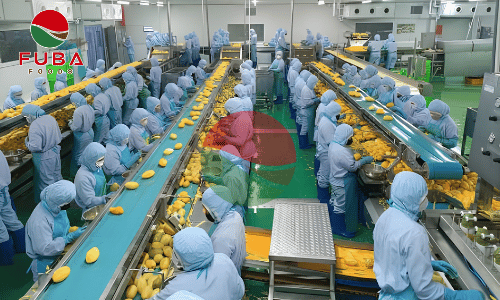
Modern processing facilities help minimize post-harvest losses through automated sorting systems, rapid IQF freezing, aseptic processing, hygienic packaging, and temperature-controlled logistics. These technologies preserve the natural characteristics of tropical fruits while improving product consistency and extending shelf life.
At FUBA, sustainable sourcing is supported through close collaboration with growing regions, strict raw material inspection, integrated quality management, and advanced processing technologies. By maintaining control throughout the production process from raw material selection to finished products the factory delivers fruit ingredients with consistent quality, full traceability, and reliable supply while contributing to the long-term development of Vietnam’s sustainable agricultural value chain.
Key Elements of Sustainable Fruit Sourcing in Vietnam
Building a sustainable supply chain requires more than selecting fruit from productive growing regions. Long-term success depends on how raw materials are cultivated, monitored, processed, and delivered throughout the entire value chain. As sustainability standards continue to evolve, suppliers are expected to demonstrate transparency, consistency, and measurable quality at every stage of production.

Traceability Creates Greater Supply Chain Transparency
Traceability has become one of the most important components of sustainable fruit sourcing. Every stage from cultivation and harvesting to processing and export should be documented and verifiable to ensure product integrity and regulatory compliance.
Modern traceability systems allow manufacturers to identify the origin of each production batch, monitor farming practices, and maintain complete production records. This level of visibility not only strengthens food safety management but also enables faster responses if quality issues arise.
Reliable traceability has become increasingly valuable as international markets continue to strengthen regulations regarding food safety, pesticide residues, and responsible sourcing. Suppliers that can provide transparent documentation throughout the supply chain are generally better positioned to support long-term business relationships and evolving compliance requirements.
Beyond documentation, responsible processors typically implement rigorous raw material inspection before production. Incoming fruit batches may be evaluated for maturity, Brix level, physical defects, microbiological safety, and compliance with pesticide residue requirements. These quality control measures help ensure consistent product performance while supporting international export standards.
Sustainable Farming Practices Improve Long-Term Product Quality
Consistent product quality begins long before fruit reaches the processing facility. Sustainable cultivation practices help maintain soil health, optimize water usage, reduce unnecessary chemical inputs, and encourage responsible pest management. These efforts contribute to healthier orchards and more stable harvests over time.
Collaboration between growers and processors plays a significant role in achieving these outcomes. Technical guidance on harvesting maturity, post-harvest handling, and quality standards helps ensure that fruit entering production meets the specifications required for premium processed products.
At FUBA, raw material sourcing is supported through close cooperation with farming partners in key fruit-growing regions across Vietnam. This collaborative approach helps maintain stable quality while promoting responsible agricultural practices that benefit both producers and the wider supply chain.
How to Evaluate a Sustainable Fruit Processing Partner
Not all suppliers contribute equally to a sustainable supply chain. While certifications provide an important foundation, evaluating manufacturing capability, operational transparency, and long-term reliability offers a more complete picture of a supplier’s performance.
Certifications Should Be Supported by Strong Manufacturing Practices
International certifications such as HACCP, ISO 22000, GMP, and other food safety standards demonstrate that production follows recognized management systems. However, certifications alone do not guarantee consistent product quality.
A capable processing facility should also invest in modern production equipment, standardized operating procedures, preventive maintenance, laboratory testing, and continuous quality improvement. Together, these elements reduce production variability and help ensure that every shipment meets agreed specifications.
Manufacturers that maintain integrated quality management systems are often better equipped to deliver consistent products across different harvest seasons while adapting to changing customer requirements.

Processing Technology Strengthens Sustainable Sourcing
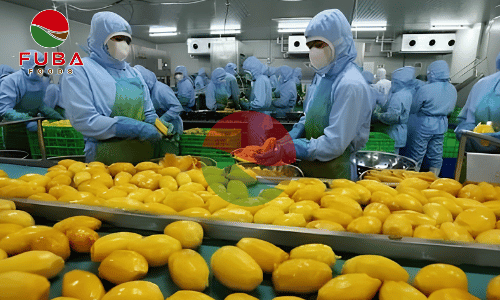
The value of responsibly grown fruit can only be preserved through equally reliable processing technologies. Efficient washing systems, optical sorting equipment, IQF freezing, aseptic processing, and modern packaging solutions help minimize post-harvest losses while protecting the fruit’s natural characteristics.
Advanced processing also contributes to sustainability by reducing material waste, improving energy efficiency, and extending product shelf life. These improvements support more efficient transportation, lower product losses, and greater resource utilization throughout the supply chain.
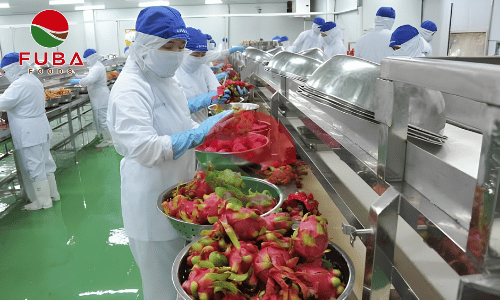
As a direct processor, FUBA combines carefully managed raw material sourcing with modern production technologies to maintain consistent quality from incoming fruit to finished products. Continuous quality monitoring, hygienic processing environments, and comprehensive traceability systems help ensure every production batch meets international food safety expectations.
What Buyers Should Consider When Selecting a Sustainable Fruit Supplier
Choosing a sustainable sourcing partner requires evaluating more than product quality alone. Food manufacturers should assess the supplier’s farming partnerships, traceability systems, processing capabilities, food safety certifications, quality management procedures, and ability to maintain stable year-round supply. A supplier that combines responsible sourcing with modern manufacturing infrastructure is generally better positioned to support long-term production consistency and regulatory compliance.
The Future of Sustainable Fruit Sourcing in Vietnam
Vietnam’s fruit industry is expected to play an increasingly important role in the global transition toward sustainable food production. Continued investment in climate-smart agriculture, digital traceability, precision farming, and modern processing infrastructure is strengthening the country’s ability to supply high-quality tropical fruit to international markets.
At the same time, sustainability is becoming a broader business strategy rather than a standalone initiative. Greater collaboration between growers, processors, logistics providers, and food manufacturers is creating more resilient supply chains capable of responding to changing market demands and environmental challenges.
As consumer expectations continue to evolve, suppliers that successfully integrate responsible farming, advanced processing technologies, and transparent quality management will be better positioned to support long-term growth while delivering greater value throughout the food industry.
Market analysts project continued growth in global demand for sustainably sourced food ingredients, driven by stricter ESG requirements, corporate sustainability commitments, and increasing consumer awareness.

Conclusion
Sustainable fruit sourcing Vietnam has evolved beyond responsible agricultural practices to become an integrated approach that combines environmental stewardship, supply chain transparency, food safety, and advanced manufacturing. This holistic model helps ensure consistent raw material quality, improves operational resilience, and supports the increasing sustainability expectations of global food markets.
Vietnam’s favorable growing conditions, expanding processing capabilities, and commitment to internationally recognized quality standards have strengthened its position as a reliable source of tropical fruit ingredients. When supported by modern processing technologies and close collaboration with farming communities, sustainable sourcing creates long-term value for every stage of the supply chain.
Through integrated production, rigorous quality control, and strong partnerships with fruit-growing regions, FUBA contributes to this sustainable ecosystem by delivering processed fruit products with consistent quality, full traceability, and dependable supply. This approach not only supports responsible agriculture but also helps build a more resilient and sustainable future for the global food industry.


