

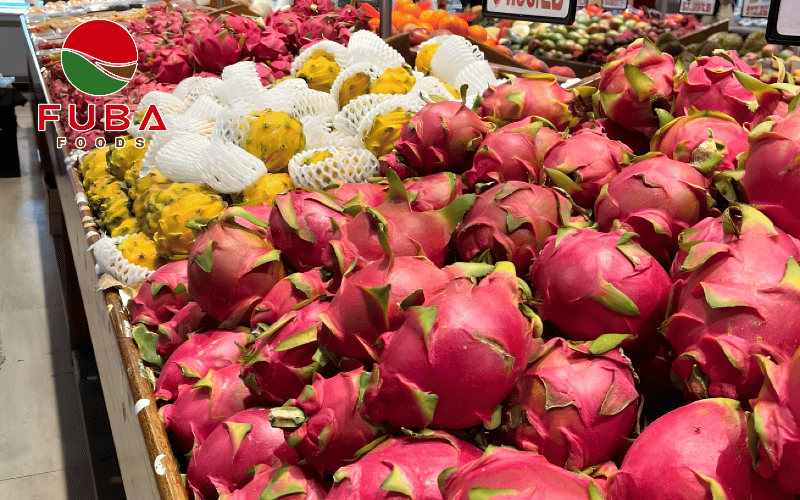
Vietnam has established itself as one of the world’s leading producers and exporters of dragon fruit, supplying international markets with both fresh and processed products. As global consumers increasingly seek nutritious, visually appealing, and convenient tropical fruits, dragon fruit export continues to play an important role in Vietnam’s agricultural and food processing industry. The country’s abundant raw material supply, expanding processing capabilities, and commitment to international quality standards have created strong opportunities for long-term export growth.
Vietnam expands dragon fruit export worldwide by combining favorable growing conditions, modern processing technology, internationally recognized food safety systems, and an increasingly efficient export infrastructure. Beyond fresh fruit, the development of frozen and value-added dragon fruit products enables manufacturers to meet evolving market demands while providing buyers with greater supply stability and product consistency.

Today, successful dragon fruit export is no longer determined solely by production volume. International buyers increasingly evaluate suppliers based on consistent quality, traceability, food safety compliance, processing capabilities, and reliable year-round supply. These factors have become essential for manufacturers seeking to build sustainable partnerships in the global food industry.
In this article, we take a closer look at Vietnam’s growing role in the global dragon fruit export industry. We discuss the factors behind its competitiveness, the development of processed dragon fruit products, and the market trends influencing future export growth.
Vietnam’s Growing Position in the Global Dragon Fruit Export Market
Dragon fruit has become one of Vietnam’s most recognizable agricultural exports, reaching markets across Asia, Europe, North America, the Middle East, and Oceania. Supported by favorable tropical conditions and decades of cultivation experience, Vietnam produces large volumes of both white-flesh and red-flesh dragon fruit that satisfy the requirements of diverse international markets.
Major cultivation areas such as Binh Thuan, Long An, and Tien Giang provide a stable supply of high-quality fruit throughout much of the year. This consistent production allows exporters to better manage seasonal demand while supporting continuous processing activities for frozen and value-added products.
At the same time, the global market is shifting beyond fresh produce. Food manufacturers increasingly require frozen fruit ingredients that offer longer shelf life, consistent specifications, and greater convenience during production. This trend has encouraged Vietnam to invest heavily in processing technologies, allowing the country’s dragon fruit export industry to diversify and create products with higher added value.
What Drives Vietnam’s Dragon Fruit Export Success
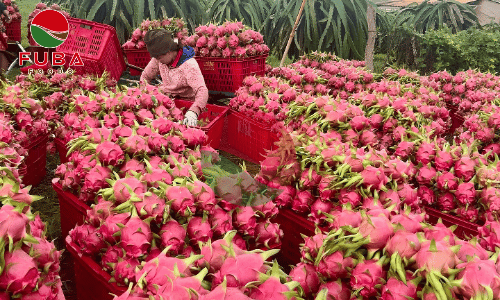
Vietnam’s competitiveness in the global dragon fruit market is built on more than abundant harvests. Sustainable export growth depends on the combination of agricultural strengths, advanced manufacturing, food safety management, and efficient logistics that together create confidence for international buyers.
Favorable Growing Conditions
Vietnam’s tropical climate provides ideal conditions for cultivating dragon fruit with excellent sweetness, vibrant color, and attractive appearance. Fertile soil, abundant sunlight, and experienced growers contribute to consistent fruit quality across major production regions.
Many manufacturers also work closely with farming communities to establish stable sourcing networks and encourage standardized cultivation practices. This integrated approach helps improve raw material consistency while supporting long-term agricultural sustainability.
Expanding Processing Capabilities
As international demand evolves, Vietnam has invested significantly in modern fruit processing facilities capable of producing high-quality frozen fruit ingredients. Technologies such as Individual Quick Freezing (IQF) allow dragon fruit to be processed shortly after harvest, helping preserve its natural flavor, texture, color, and nutritional characteristics.
These investments have enabled exporters to move beyond fresh fruit by supplying processed products that are easier to store, transport, and incorporate into food manufacturing. Value-added processing also reduces seasonal limitations and creates greater flexibility for international customers.
International Food Safety Standards
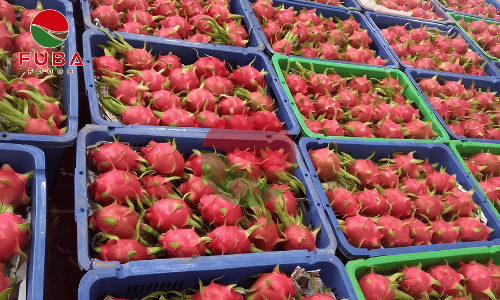
Food safety has become one of the most important considerations in global fruit trade. Importers increasingly expect suppliers to operate under internationally recognized management systems that ensure consistent production quality and regulatory compliance.
Many Vietnamese processing facilities now implement standards such as HACCP, ISO 22000, and GMP, supported by strict quality inspections, laboratory testing, and complete production records. These systems improve product reliability while strengthening confidence among overseas customers.
Strong Export Infrastructure
Reliable export performance depends not only on production but also on efficient logistics and supply chain management. Vietnam has continued to strengthen its cold-chain infrastructure, refrigerated transportation, and export logistics to ensure frozen fruit products maintain their quality throughout international shipping.
As a direct manufacturer, FUBA combines carefully selected raw materials with modern IQF processing, strict quality management, and internationally recognized food safety systems to support reliable dragon fruit export. By integrating production, processing, and quality control within one manufacturing operation, FUBA is able to deliver consistent frozen dragon fruit products that meet the evolving requirements of global food manufacturers.
Dragon Fruit Products Exported from Vietnam
Vietnam’s dragon fruit export industry has evolved far beyond fresh fruit shipments. Today, international buyers increasingly seek processed dragon fruit products that offer longer shelf life, greater convenience, and consistent quality for food manufacturing. This shift has encouraged Vietnamese manufacturers to diversify their product portfolio while adding greater value through modern processing technologies.
Fresh Dragon Fruit
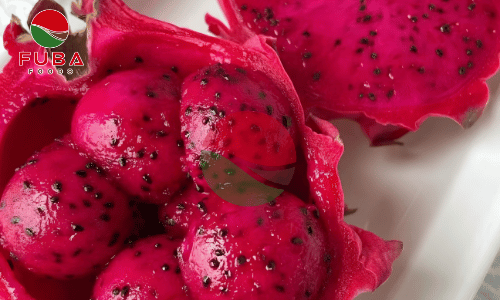
Fresh dragon fruit remains one of Vietnam’s most important agricultural exports, appreciated for its vibrant appearance, refreshing taste, and nutritional value. Export-quality fruit is carefully harvested, sorted, graded, and packed to meet the quality standards of different international markets.
However, fresh fruit exports also face challenges related to seasonality, limited shelf life, and transportation conditions. Maintaining freshness throughout long-distance shipping requires efficient cold-chain logistics and careful handling, making supply chain management a critical factor in successful export operations.
Frozen Dragon Fruit
Frozen dragon fruit has become an increasingly important value-added export as food manufacturers look for ingredients that combine convenience with consistent quality. Processed shortly after harvest using advanced IQF technology, frozen dragon fruit helps preserve its natural flavor, vibrant color, texture, and nutritional characteristics while significantly extending shelf life.
To meet the diverse requirements of food production, frozen dragon fruit is available in various processing formats, including puree, cubes, chunks, and other customized cuts. These options enable manufacturers to select the most suitable ingredient for smoothies, juices, dairy products, desserts, bakery fillings, fruit preparations, and other industrial food applications, while simplifying production and reducing ingredient waste.
At FUBA, frozen dragon fruit is available in both IQF cubes and dragon fruit puree, providing flexible solutions for different manufacturing processes. Produced through an integrated manufacturing system with strict quality control and internationally recognized food safety standards, these products are designed to support consistent quality and reliable export supply for customers worldwide.

Opportunities and Challenges in Dragon Fruit Export
As global demand for tropical fruit continues to increase, Vietnam has significant opportunities to strengthen its position in international markets. At the same time, exporters must continuously improve their capabilities to meet increasingly demanding customer expectations.
Rising Global Demand for Tropical Fruit
Consumers worldwide are showing greater interest in healthy foods made with natural ingredients, creating new opportunities for dragon fruit across retail, foodservice, and food manufacturing sectors. The growing popularity of smoothies, functional beverages, dairy products, and plant-based foods has also increased demand for processed fruit ingredients that are convenient, nutritious, and available throughout the year.
For Vietnamese exporters, this trend creates opportunities not only to expand fresh fruit exports but also to develop higher-value processed products that better meet the needs of modern food manufacturers.
Higher Requirements for Quality and Traceability
While market opportunities continue to grow, international buyers also expect greater transparency throughout the supply chain. Product consistency, food safety compliance, traceability, and sustainable sourcing have become essential requirements rather than competitive advantages.
Manufacturers that invest in standardized production systems, comprehensive quality control, and internationally recognized certifications are better positioned to build long-term partnerships and access high-value export markets.

Choosing the Right Manufacturing Partner
For many international buyers, selecting the right manufacturing partner is one of the most important decisions in building a stable supply chain. Beyond competitive pricing, a reliable manufacturer should offer consistent raw material quality, modern processing technology, flexible product options, dependable production capacity, and responsive customer support.
As a direct manufacturer, FUBA integrates these capabilities throughout its production process, from carefully selected raw materials and advanced IQF technology to strict food safety management and efficient export operations. This factory-based approach allows FUBA to provide reliable dragon fruit products while supporting customers with consistent quality and long-term supply stability.
Conclusion
Vietnam continues to strengthen its position as a global leader in dragon fruit export through abundant raw materials, advanced processing capabilities, and growing expertise in international food manufacturing. As market demand shifts toward value-added products, frozen dragon fruit has become an important export category that offers greater flexibility, longer shelf life, and consistent quality for a wide range of food applications.
Success in today’s global market depends on more than production volume. Reliable supply, food safety, traceability, and modern processing have become the key factors that distinguish competitive exporters. By combining these capabilities within an integrated manufacturing system, FUBA delivers frozen dragon fruit solutions that help international customers source high-quality products with confidence while supporting efficient and sustainable food production.


