


Frozen jackfruit provides food manufacturers, distributors, foodservice operators, and retailers with a reliable way to source Vietnamese jackfruit year-round. For commercial buyers, however, understanding how long frozen jackfruit can be stored while maintaining its quality is essential for inventory planning and supply chain management.
The frozen jackfruit shelf life is up to 24 months when the product is stored continuously at ≤ -18°C under proper frozen-chain conditions. Maintaining a stable freezing temperature, intact packaging, and minimal temperature fluctuations during storage and transportation helps preserve the quality of frozen jackfruit throughout its shelf life.
This article explains how long frozen jackfruit can last, the storage conditions required to maintain its quality, and the key factors that can affect its shelf life. It also provides practical guidance for commercial buyers on frozen inventory management, shipment scheduling, and maintaining product consistency throughout the supply chain.
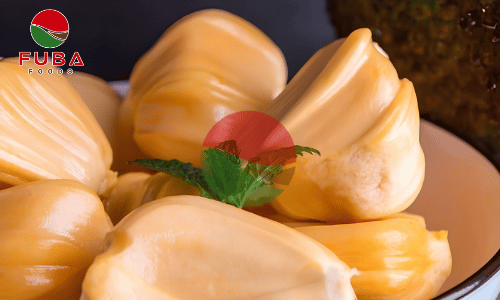
What Is Frozen Jackfruit and How Does Freezing Extend Its Shelf Life?
Frozen jackfruit is jackfruit that has been processed and frozen to significantly slow the physical, chemical, and biological processes that cause fresh fruit to deteriorate. For commercial products, however, simply placing jackfruit into a freezer is not enough. The processing method, freezing speed, product preparation, packaging, and storage temperature all influence the final frozen jackfruit shelf life.
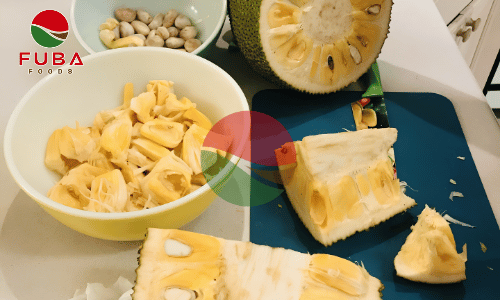
For commercial production, jackfruit typically goes through several processing stages, including raw material inspection, washing, sorting, preparation, freezing, metal detection, packaging, cold storage, and transportation. Maintaining the finished product at temperatures of ≤ -18°C throughout storage and shipment helps minimize quality changes and maintain the desired characteristics of frozen jackfruit.
Freezing is particularly effective for commercial jackfruit because it allows different product formats, such as IQF jackfruit bulbs, frozen jackfruit chunks, and frozen jackfruit puree, to be stored and distributed for extended periods while remaining suitable for different food manufacturing and foodservice applications.
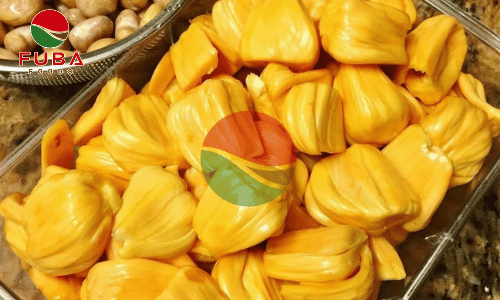
How IQF Technology Supports Frozen Jackfruit Shelf Life
Individually Quick Frozen (IQF) technology rapidly freezes individual pieces of jackfruit rather than freezing the fruit into one solid mass. This rapid freezing process helps preserve the fruit’s natural color, texture, flavor, and nutritional characteristics while keeping individual pieces separate and easier to handle. As a result, IQF freezing is widely used for commercial frozen fruit products where consistent quality and convenient storage are important.
For frozen jackfruit, rapid freezing is especially valuable when the product will later be portioned, processed, or incorporated into other food products. IQF jackfruit bulbs and chunks can remain individually separated, making them more convenient for food manufacturers and foodservice applications.
The key point is that freezing technology and storage temperature work together. A well-processed IQF product still requires a stable cold chain to achieve its intended frozen jackfruit shelf life.
How Long Does Frozen Jackfruit Last in the Freezer?
For commercially produced frozen jackfruit, the expected shelf life depends on the product specification, processing method, packaging, and required storage conditions. When stored continuously at ≤ -18°C under proper frozen-chain conditions, frozen jackfruit can typically maintain its quality for up to 24 months, depending on the manufacturer’s validated shelf-life specification.
This figure is particularly useful for importers and distributors because a 24-month shelf-life window provides greater flexibility for international logistics, warehouse management, and product distribution. Nevertheless, the shelf-life period should always be interpreted together with the manufacturer’s packaging, batch, production date, and storage instructions.
What Factors Affect Frozen Jackfruit Shelf Life?
Understanding the factors behind frozen jackfruit shelf life can help importers and distributors reduce quality risks after receiving a shipment.
Storage Temperature Stability
Temperature control is one of the most important factors affecting frozen jackfruit shelf life. Maintaining a stable storage temperature of ≤ -18°C helps preserve the quality established during processing and reduces the risk of unwanted changes during extended frozen storage.
For distributors and other buyers, warehouse freezers, transportation, and handling should be managed as part of one continuous cold chain rather than as separate stages. Minimizing temperature fluctuations throughout storage and distribution helps maintain consistent product quality until the frozen jackfruit reaches its final application.
Packaging and Handling
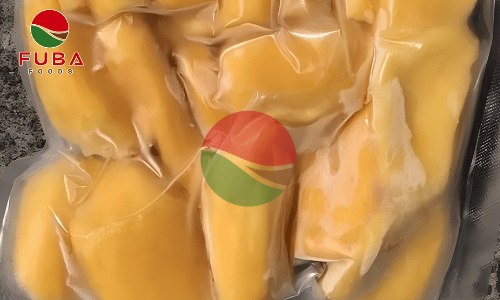
Packaging plays an important role in protecting frozen jackfruit from moisture, air exposure, contamination, and physical damage during storage and transportation. Proper packaging also helps maintain product quality by reducing the risk of freezer burn and minimizing exposure to temperature fluctuations.
For applications, packaging requirements may vary depending on the product format, storage duration, transportation conditions, and intended use. Common formats include retail packs, foodservice packs, and bulk export packaging, with larger packs often using a durable outer carton and food-grade inner liner.
Proper handling is equally important throughout the frozen supply chain. Keeping packaging intact and minimizing unnecessary temperature fluctuations can help preserve the quality of frozen jackfruit during extended storage and distribution.
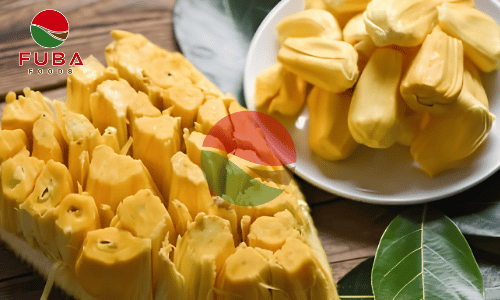
Freezing and Processing Conditions
Frozen jackfruit shelf life is influenced not only by storage conditions but also by the steps taken before and during freezing. Raw material quality, cleaning, sorting, preparation, freezing speed, packaging, and temperature control all contribute to the product’s condition during subsequent frozen storage. Rapid IQF freezing, in particular, helps freeze individual pieces quickly and limit changes in texture, color, and overall quality.
For commercially produced frozen jackfruit, these steps are generally managed as part of an integrated process, from raw material inspection and preparation through freezing, packaging, and cold storage.
FUBA’s processing flow follows this approach, combining raw material control, IQF freezing, packaging, and controlled storage to support consistent product quality throughout the frozen supply chain.
How Should Frozen Jackfruit Be Stored for Maximum Shelf Life?
Maximizing frozen jackfruit shelf life depends on more than simply keeping the product frozen. Proper temperature control, handling, packaging, and adherence to the manufacturer’s storage instructions all contribute to maintaining quality throughout storage and distribution.
Maintain a Stable Storage Temperature
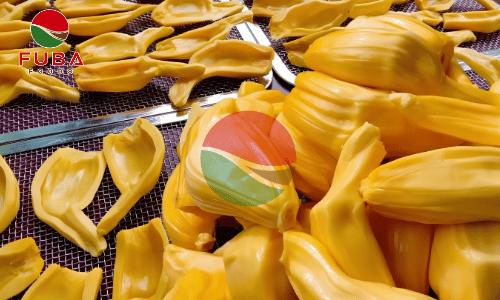
Frozen jackfruit should be stored continuously at the temperature specified by the manufacturer, typically at ≤ -18°C. A stable temperature helps maintain the quality established during processing and reduces the risk of changes in texture, color, flavor, and moisture content.
Temperature stability should be maintained throughout the cold chain, including during warehouse storage, transportation, loading, unloading, and stock handling. Avoiding unnecessary temperature fluctuations is especially important when frozen jackfruit is stored for extended periods.
Follow the Storage Instructions and Packaging Recommendations
Storage and handling should follow the instructions provided by the manufacturer and the recommendations stated on the product packaging. These instructions may include the required storage temperature, handling conditions, packaging requirements, and guidance on the product’s intended use.
For buyers, following these specifications helps ensure that the product is stored under the conditions used to establish its stated shelf life. If the packaging provides specific storage or handling instructions, these should take priority over general frozen-storage practices.
Avoid Repeated Thawing and Refreezing
Frozen jackfruit should not be repeatedly thawed and refrozen. Temperature changes during thawing can affect the fruit’s texture and may lead to moisture loss, while refreezing can further reduce product quality.
To minimize unnecessary thawing, products should remain in controlled frozen storage until they are ready for processing, portioning, or use. During transportation and handling, exposure to warmer temperatures should also be kept as short as practical.
Protect the Packaging
Packaging helps protect frozen jackfruit from air, moisture, contamination, and physical damage during storage and transportation. Packaging should remain properly sealed and intact throughout the product’s shelf life.
Damaged or poorly sealed packaging can increase exposure to air and moisture, potentially contributing to freezer burn and quality deterioration. Bulk products should therefore be handled carefully during loading, unloading, and warehouse movement to prevent tears, punctures, or other packaging damage.
How to Tell If Frozen Jackfruit Has Expired or Lost Quality
Frozen jackfruit can gradually lose its quality when stored beyond its recommended shelf life or exposed to unsuitable storage conditions. While the expiry date and storage instructions should always be checked first, changes in appearance, texture, aroma, and flavor can also provide useful signs when evaluating frozen jackfruit.
Changes in Color
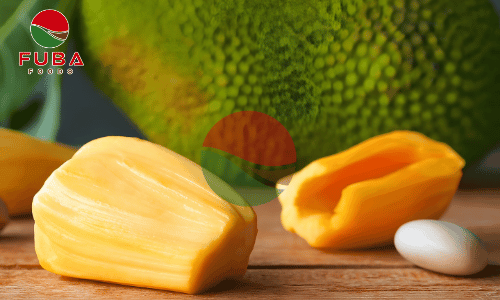
Freshly frozen jackfruit should generally retain its characteristic natural color. Noticeable darkening, excessive browning, or unusual discoloration may indicate quality deterioration, particularly when accompanied by other changes in the product.
However, slight color variation does not necessarily mean that frozen jackfruit has expired. Natural differences between batches and varieties can affect appearance, so color should be considered together with the product’s storage history and other quality indicators.
Changes in Texture
Texture can be affected by prolonged storage, temperature fluctuations, or repeated thawing and refreezing. Frozen jackfruit that has lost its expected firmness or becomes excessively soft after thawing may have experienced quality deterioration.
Excessive ice accumulation or signs of freezer burn on the fruit’s surface can also indicate moisture loss or prolonged exposure to unsuitable storage conditions.
Unusual Smell
Frozen jackfruit should have its characteristic fruity aroma once properly thawed. A sour, fermented, rancid, or otherwise unusual smell can be a sign that the product is no longer in good condition.
If the product develops an unfamiliar odor that is clearly different from its normal aroma, it is best to check the expiry date, packaging condition, and storage history before use.
Changes in Flavor
When appropriate, properly stored jackfruit should retain its characteristic sweet and fruity flavor. Unusual sourness, bitterness, fermentation-like flavors, or other unexpected changes may indicate deterioration.
Flavor should not be used as the only method for determining whether a product is safe or suitable for use. The expiry date, storage conditions, packaging integrity, and other visible or sensory changes should also be considered.
Packaging and Freezer Burn
Damaged, torn, or poorly sealed packaging can allow air and moisture to reach the product, increasing the risk of freezer burn and quality loss. Excessive frost or ice crystals inside the package can also indicate temperature fluctuations or moisture migration during storage.
For commercial buyers, checking packaging condition when receiving and storing frozen jackfruit can help identify potential cold-chain or handling issues before the product is used.
Check the Expiry Date and Storage History
Sensory changes can help identify potential quality problems, but the manufacturer’s stated shelf life and storage instructions should remain the primary reference. Frozen jackfruit should be stored continuously under the recommended conditions, and products that are past their stated expiry date or have been stored outside the specified temperature range should be evaluated according to the manufacturer’s guidance rather than judged by appearance alone.
Conclusion
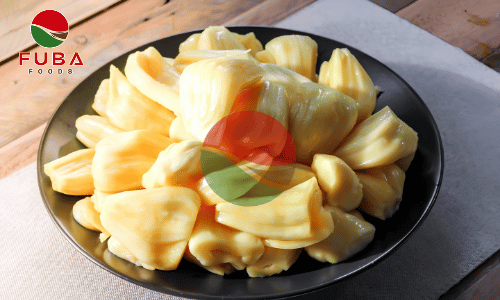
Frozen jackfruit can have a shelf life of up to 24 months when stored continuously at ≤ -18°C under appropriate frozen-chain conditions. However, maintaining the expected frozen jackfruit shelf life depends on more than the freezing date alone. Raw material quality, IQF processing, packaging integrity, temperature stability, cold-chain management, and proper warehouse handling all contribute to preserving product quality throughout storage and distribution.
For buyers, understanding these factors can help with supplier evaluation, inventory planning, and long-term product quality management. Consistent storage conditions and proper handling are essential to getting the full shelf life of frozen jackfruit.
If you are looking for high-quality frozen jackfruit for commercial applications, FUBA Foods may be a suitable option to consider. Its frozen jackfruit is processed from Vietnamese raw materials using controlled freezing and storage practices, providing a convenient, consistent product for year-round sourcing and different food applications.


