

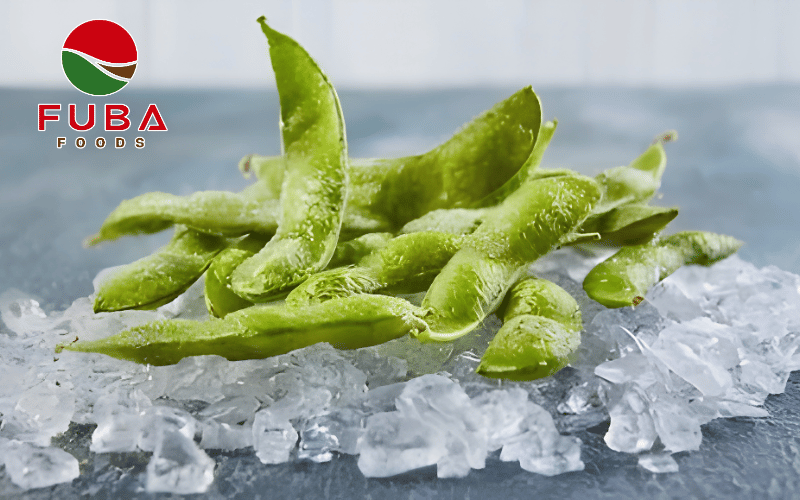
IQF edamame has become a practical ingredient for food manufacturers and foodservice operators that need reliable quality, convenient handling, and year-round availability. However, producing consistent frozen edamame is not simply a matter of freezing freshly harvested soybeans. Each stage, from raw material selection to blanching, individual quick freezing, packaging, and cold storage, can influence the final product.
IQF edamame processing is a controlled freezing process that rapidly freezes prepared edamame pieces individually, helping preserve their color, texture, flavor, and usability while reducing clumping during storage and handling.
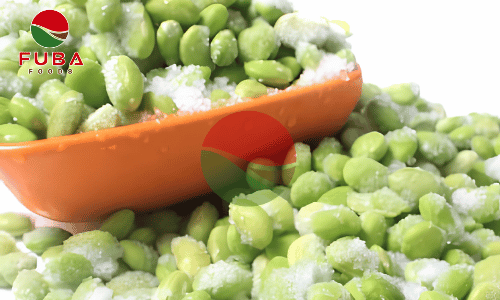
For buyers evaluating an IQF edamame supplier, understanding how the product is processed is essential. The processing method directly affects appearance, cooking performance, consistency between batches, and ultimately the efficiency of downstream food production. This article explains the key stages of IQF edamame processing, what determines consistent quality, and what buyers should consider when sourcing frozen edamame for commercial applications.
What Is IQF Edamame Processing?
IQF edamame processing refers to the preparation and individual quick freezing of edamame under controlled industrial conditions. Unlike conventional block freezing, IQF technology freezes individual beans separately, allowing manufacturers to portion and use the product more efficiently.
The process generally begins with suitable raw edamame being received and inspected before moving through cleaning, sorting, preparation, blanching, cooling, freezing, grading, and packaging. Each stage has a specific role in maintaining the characteristics expected from a commercial frozen product.
For industrial users, the value of IQF edamame is not only its frozen condition. The real advantage is consistency. A well-controlled process can produce individual pieces with relatively uniform appearance and handling characteristics, making them easier to measure, cook, mix, and incorporate into finished products.
Raw Material Selection Sets the Quality Baseline
The quality of IQF edamame processing starts before the freezing equipment is involved. Raw material maturity, freshness, size, color, and physical condition can all influence the finished product.
Edamame intended for freezing should be harvested and handled at an appropriate maturity stage. Over-mature beans can develop undesirable texture and flavor characteristics, while inconsistent raw material sizes may lead to differences in blanching and freezing performance.
For a processing facility, this means raw material inspection is not merely a preliminary quality-control step. It is part of the production strategy. Selecting suitable raw materials and maintaining controlled handling before processing provides a more stable foundation for subsequent stages.
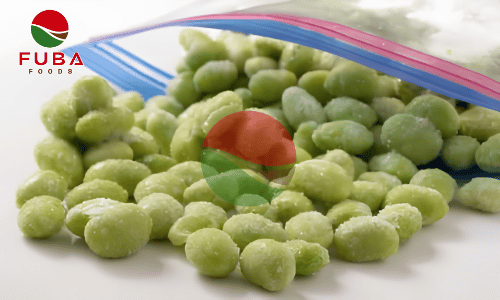
Key Stages in IQF Edamame Processing
The quality of IQF edamame depends on how effectively each processing stage connects with the next. A strong production system therefore focuses on process control rather than treating freezing as an isolated operation.
Cleaning, Sorting and Preparation
After receiving, edamame is cleaned to remove foreign materials and unwanted residues before being sorted according to established specifications. Damaged, discolored, or unsuitable pieces can be removed during this stage.
Consistent preparation is particularly important because the size and condition of the product influence how heat moves through the beans during blanching and how quickly they freeze afterward. Better uniformity at the beginning of the line makes it easier to achieve predictable results at the end.
Blanching and Rapid Cooling
Blanching is an important stage in IQF edamame processing because controlled heat treatment helps stabilize the product before freezing. The objective is to achieve the required processing effect without unnecessarily damaging texture, color, or other quality characteristics.
Immediately after blanching, rapid cooling is used to prevent excessive heat exposure. The relationship between blanching time, temperature, cooling efficiency, and raw material characteristics must be carefully controlled.
This is one reason why simply purchasing freezing equipment does not automatically guarantee high-quality IQF edamame. The overall process must be designed around the characteristics of the raw material.
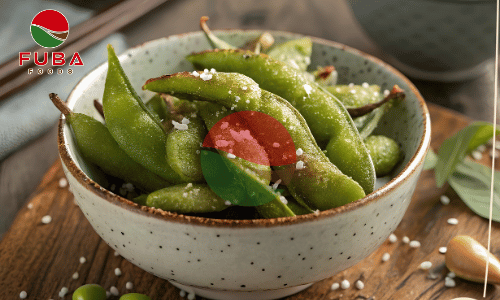
Individual Quick Freezing
The defining stage of IQF edamame processing is individual quick freezing. Instead of freezing the product as one large mass, the prepared edamame is exposed to very low temperatures under controlled conditions so that individual pieces freeze separately.
Rapid freezing helps limit the time available for undesirable physical changes to occur. More importantly for commercial handling, individually frozen pieces are less likely to form a single solid block. This makes the product easier to portion and use directly in food manufacturing and foodservice operations.
The exact freezing conditions depend on factors such as product size, moisture, loading rate, equipment configuration, and the required final specification. Consistent process control is therefore essential for maintaining batch-to-batch uniformity.
Why Consistency Matters in Frozen Edamame
For commercial users, consistency is often more important than simply having a frozen product available. Variations in size, color, texture, or ice formation can create problems during production and affect the appearance of finished foods.
Consistent Size and Appearance
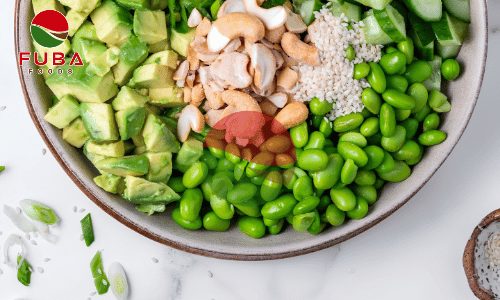
Uniform pieces are easier to portion and provide more predictable cooking behavior. For prepared meals, vegetable mixes, salads, rice dishes, and other applications, inconsistent sizing can result in some pieces being underprocessed while others become overly soft.
Appearance also matters. Green color is an important visual characteristic of edamame, particularly when the product remains visible in the final dish. Proper raw material selection, blanching, cooling, and freezing conditions work together to help maintain an attractive appearance.
Texture and Handling Performance
Texture can be affected at multiple points throughout IQF edamame processing. Excessive heat exposure, slow cooling, poor freezing conditions, or inappropriate storage can all influence the final eating and handling characteristics.
The IQF format also provides an operational advantage. Because individual pieces remain separated, users can take the quantity they need without necessarily thawing the entire package. This can help reduce unnecessary handling and improve production flexibility.
How Proper Cold Storage Protects IQF Edamame Quality
Freezing does not eliminate the need for proper storage. Once IQF edamame has been processed, maintaining a stable frozen environment is essential for protecting the quality achieved during production.
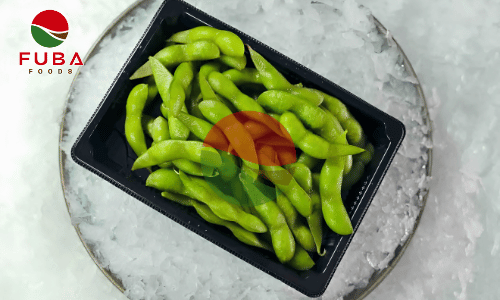
Temperature fluctuations can contribute to ice recrystallization and gradually affect texture and surface appearance. Packaging must also provide appropriate protection against moisture loss and other environmental influences during storage and transportation.
For international shipments, cold-chain management becomes particularly important because the product may pass through several stages between the processing facility and the final destination. A reliable supplier should therefore have a clear approach to frozen storage, packaging, handling, and shipment preparation.
Choosing an IQF Edamame Supplier for Consistent Supply
When sourcing IQF edamame, buyers should evaluate more than the quoted price. The supplier’s ability to control the complete production process can have a direct impact on long-term product consistency.
A manufacturer with controlled processing capabilities can better coordinate raw material preparation, blanching, IQF freezing, packaging, quality inspection, and storage. This integrated approach reduces dependence on disconnected processing stages and provides greater control over the final specification.
Documentation is another important consideration. Depending on the destination market and application, buyers may require relevant quality documents, certificates of analysis, certificates of origin, or other export documentation. Clear specifications and traceability also make it easier to establish expectations before production begins.
FUBA’s approach to frozen food manufacturing can be considered within this broader quality framework, with attention to controlled processing, product specifications, and the requirements of international buyers. Its frozen fruit and vegetable portfolio reflects an industrial-oriented approach in which product format and processing suitability are considered alongside quality and supply requirements.
Where IQF Edamame Is Used in Food Production
The flexibility of IQF edamame makes it suitable for applications where convenient portioning and stable frozen supply are important. It can be incorporated into ready meals, vegetable blends, rice-based products, salads, soups, and foodservice preparations.
For manufacturers, the advantage is the ability to use a ready-to-process ingredient without managing the short shelf life and labor requirements associated with fresh edamame. The product can be stored in frozen inventory and incorporated into production according to demand.
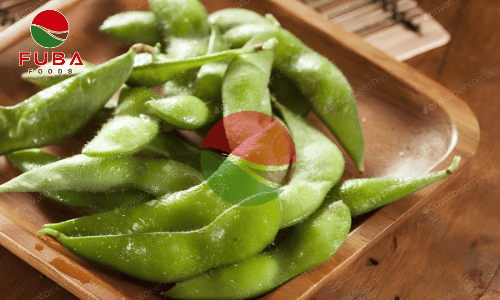
This also makes IQF edamame processing particularly relevant for products designed for international distribution. Manufacturers can maintain a more predictable ingredient supply while reducing their dependence on immediate access to freshly harvested raw materials.
Conclusion
IQF edamame processing is a complete quality-control system rather than simply a freezing step. Raw material selection, cleaning, sorting, blanching, cooling, individual quick freezing, packaging, and cold storage all contribute to the consistency of the finished product.
For buyers, understanding these stages makes it easier to evaluate whether an IQF edamame supplier can meet the specifications required for commercial production. The most reliable sourcing decisions should consider not only price, but also process control, product consistency, documentation, packaging, cold-chain capability, and long-term supply reliability.
As demand for convenient frozen ingredients continues to grow, properly processed IQF edamame offers manufacturers a practical way to maintain product quality while simplifying ingredient handling and production planning.


