

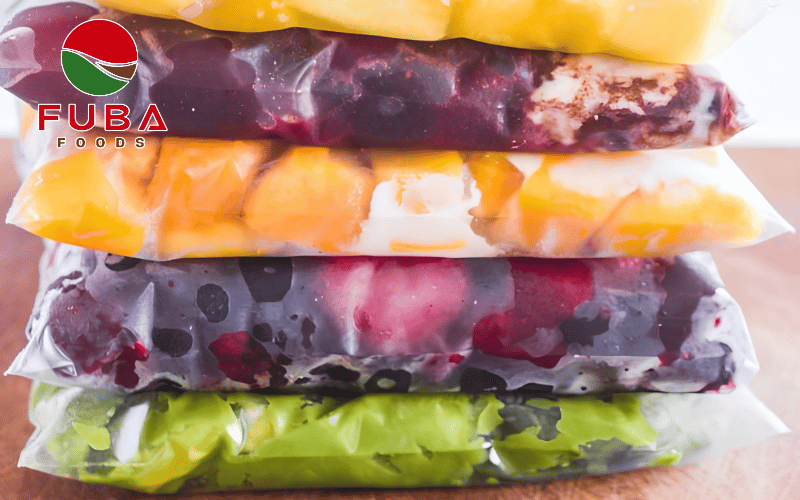
Fresh fruit is a staple ingredient across hotels, cafés, restaurants, bakeries, and beverage chains. However, maintaining consistent quality while controlling food costs has become increasingly challenging due to seasonal availability, fluctuating prices, labor-intensive preparation, and high product waste. As food service businesses continue to prioritize operational efficiency without compromising customer experience, frozen fruit has emerged as a practical and reliable alternative.
Frozen fruit for food service provides hotels, cafés, and restaurants with year-round ingredient consistency, reduced food waste, simplified kitchen operations, and stable product quality. Factory-processed frozen fruit also improves inventory management while supporting menu consistency across multiple locations.
For procurement managers, executive chefs, restaurant owners, and food service distributors, choosing frozen fruit is no longer simply about convenience. It is about finding a manufacturing partner capable of delivering consistent quality, reliable supply, and food safety standards that support long-term business operations. Understanding how frozen fruit benefits commercial kitchens and what to look for in a supplier can significantly improve purchasing decisions and operational performance.
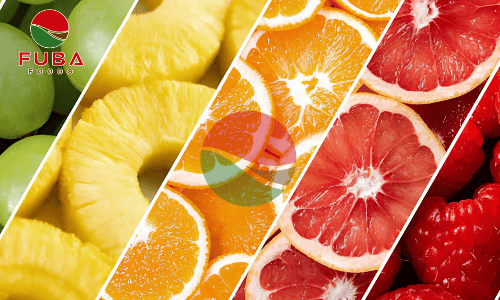
Why Frozen Fruit Is Becoming Essential for Food Service Operations
The food service industry operates under constant pressure to balance food quality, operational efficiency, and cost control. Whether serving breakfast buffets in hotels, preparing smoothies in cafés, or producing desserts in restaurants, businesses need ingredients that perform consistently every day.
Fresh fruit, while attractive, often introduces unpredictable variables into kitchen operations. Differences in ripeness, seasonal supply, transportation conditions, and shelf life can directly affect menu consistency and profitability. Frozen fruit addresses these challenges by offering standardized ingredients that are processed at peak freshness and preserved through rapid freezing technology.
Rather than replacing fresh produce entirely, frozen fruit has become a strategic ingredient for applications where consistency, efficiency, and supply reliability matter most.
The Operational Challenges of Using Fresh Fruit
Commercial kitchens consume large quantities of fruit every day, making procurement and inventory management increasingly complex. Unlike retail consumers, food service businesses cannot afford inconsistent ingredient quality or unexpected shortages.
Fresh Fruit Typically Presents Several Operational Challenges
- Seasonality affects availability and pricing: Seasonal harvests and changing weather make it difficult to forecast ingredient costs and maintain a stable supply throughout the year.
- Short shelf life increases waste: Fresh fruit deteriorates quickly during storage, leading to spoilage, food waste, and higher purchasing costs.
- Labor-intensive preparation: Washing, peeling, cutting, and portioning fresh fruit require valuable staff time, increasing labor costs and reducing operational efficiency.
- Inconsistent product quality: Natural variations in sweetness, color, texture, and ripeness make it difficult to maintain consistent quality across food and beverage applications.
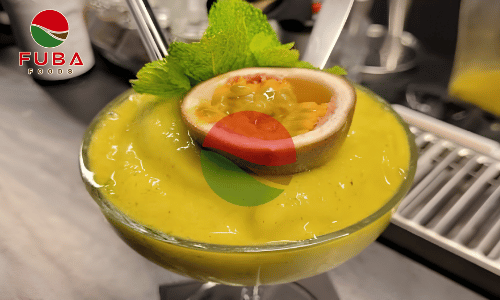
How Frozen Fruit Improves Food Service Efficiency
Frozen fruit is specifically designed to overcome these operational limitations while maintaining the natural characteristics of fresh fruit.
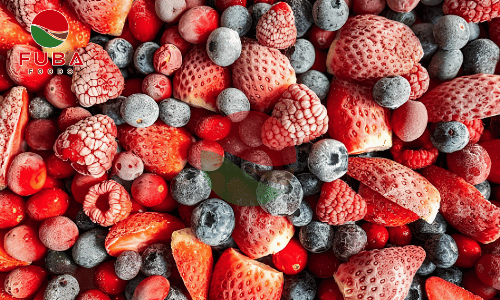
Using Individual Quick Freezing (IQF) technology, fruit is frozen shortly after harvest, helping preserve its texture, color, flavor, and nutritional value. Because each piece freezes individually, operators can portion only the amount needed, reducing unnecessary waste and improving inventory control.
For cafés and beverage chains, frozen fruit eliminates daily preparation while ensuring every smoothie or juice delivers a consistent taste and texture. Restaurants benefit from standardized ingredients for desserts, sauces, cocktails, and seasonal menus, while hotels can simplify buffet preparation without worrying about rapid spoilage.
The longer frozen storage life also allows purchasing teams to order larger quantities with greater confidence, reducing the frequency of deliveries and improving procurement planning.
From a manufacturing perspective, factory-produced frozen fruit offers an additional level of consistency. Professional processors implement standardized raw material selection, controlled processing environments, and strict quality inspections to ensure every batch meets commercial food service requirements. This consistency becomes particularly valuable for restaurant chains and hospitality groups operating across multiple locations, where uniform customer experience is essential.
Manufacturers play an important role in maintaining this consistency. At FUBA, frozen fruit is processed shortly after harvest using standardized IQF production and quality control procedures, helping food service operators receive ingredients with consistent performance across different production batches.
Choosing the Right Frozen Fruit for Different Food Service Applications
Every food service business has unique operational requirements, menu concepts, and production workflows. A hotel buffet requires products that maintain an attractive appearance throughout service hours, while a smoothie chain prioritizes texture and blending performance. Restaurants and bakeries, meanwhile, often seek ingredients that deliver consistent flavor and simplify kitchen preparation.
Understanding these different applications helps buyers select frozen fruit products that best support their business goals while maximizing operational efficiency.
Frozen Fruit for Hotels and Buffet Services
Hotels operate under some of the highest consistency standards in the hospitality industry. Breakfast buffets, executive lounges, room service, banquet events, and dessert stations all require ingredients that remain visually appealing while allowing kitchen teams to prepare large volumes efficiently.
Frozen fruit offers several operational advantages for hotel kitchens. Since products are available year-round, procurement teams are less affected by seasonal shortages or fluctuating market prices. Kitchens can maintain the same breakfast menu regardless of harvest seasons, ensuring a consistent guest experience throughout the year.
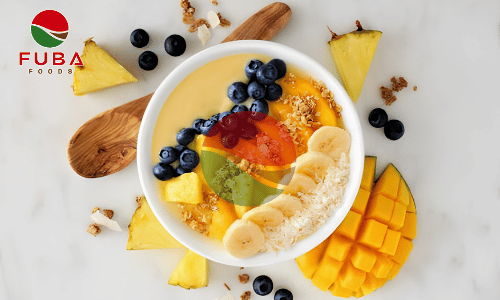
IQF frozen fruit is particularly suitable for fruit bowls, yogurt stations, smoothie bars, desserts, pastry fillings, and beverage garnishes. Because individual pieces remain separate after freezing, chefs can easily portion the exact quantity needed without thawing the entire package. This flexibility reduces food waste while improving inventory management across multiple service periods.
Hotels also benefit from the extended frozen shelf life, allowing them to stock ingredients more efficiently during peak travel seasons without the risk of excessive spoilage.
Frozen Fruit for Cafés and Beverage Chains
For cafés and beverage brands, speed and consistency directly influence customer satisfaction. Every smoothie, juice, milk tea topping, or blended beverage should deliver the same flavor, texture, and appearance regardless of which employee prepares it.
Frozen fruit simplifies beverage production by eliminating time-consuming preparation steps such as washing, peeling, cutting, and portioning fresh fruit. Staff can quickly measure pre-cut frozen fruit into standardized recipes, reducing preparation time while minimizing training requirements.
Because frozen fruit is processed at peak ripeness, beverage quality remains more consistent than using fresh fruit with varying sweetness or maturity levels. This standardization becomes especially important for franchise cafés and multi-location beverage chains that aim to deliver a uniform customer experience across every store.
In addition, frozen fruit naturally contributes to beverage thickness and temperature, often reducing the need for additional ice. The result is a richer flavor profile with less dilution, helping cafés improve overall product quality while maintaining recipe consistency.
Frozen Fruit for Restaurants, Bakeries, and Catering Services
Restaurants, bakeries, and catering companies often require ingredients that can adapt to a wide range of menu applications while supporting efficient kitchen operations.
Frozen fruit is commonly incorporated into dessert sauces, pastry fillings, mousses, cheesecakes, ice cream, cocktails, fruit compotes, breakfast dishes, and seasonal menu items. Because the fruit has already been cleaned and prepared, kitchen staff can focus more on cooking and presentation instead of ingredient preparation.
For catering companies handling large events, frozen fruit provides reliable inventory planning. Products can be stored for extended periods and thawed only when required, reducing the uncertainty associated with fresh produce deliveries.
Bakeries also benefit from the consistency of frozen fruit during industrial baking processes. Uniform fruit size, moisture content, and quality contribute to more stable production results, reducing variation between batches and improving finished product appearance.
As a manufacturer supplying international food businesses, FUBA works with a wide range of frozen tropical fruits suitable for commercial kitchens, beverage production, bakery applications, and food service distribution. The focus remains on delivering consistent quality that supports efficient day-to-day operations.
What to Look for in a Frozen Fruit Supplier
Selecting frozen fruit is only one part of the purchasing decision. Equally important is choosing a manufacturing partner capable of supporting long-term business growth through consistent quality, dependable supply, and professional production standards.
Experienced food service buyers typically evaluate suppliers based on their manufacturing capability rather than price alone. A lower purchase price offers little value if inconsistent product quality or delayed deliveries disrupt daily operations.
Factory Processing Ensures Consistent Product Quality
One of the biggest differences between factory-direct manufacturers and trading companies lies in production control.
Manufacturers oversee every stage of the process from raw material selection and washing to cutting, freezing, packaging, and final quality inspection. This integrated production approach helps minimize quality variation while ensuring every shipment meets defined specifications.
Factories using modern IQF technology preserve the natural color, flavor, texture, and nutritional characteristics of the fruit shortly after harvest. Controlled processing conditions also improve food safety by reducing contamination risks throughout production.
As a factory specializing in frozen fruit processing, FUBA applies standardized manufacturing procedures and strict quality control systems to deliver products that meet the consistency requirements of commercial food service businesses. Rather than sourcing from multiple processors, buyers work directly with the manufacturer responsible for production, allowing clearer communication and more reliable quality management.
Stable Supply Matters More Than Seasonal Availability
Supply interruptions can significantly affect restaurant operations, particularly for businesses operating fixed menus or multiple locations.
Reliable manufacturers invest in long-term partnerships with farming regions, diversified sourcing strategies, and production planning that extends beyond harvest seasons. This enables continuous production throughout the year while reducing dependence on short-term market fluctuations.
For hotels, restaurant groups, and beverage chains, year-round availability supports more accurate purchasing forecasts and reduces the need to frequently modify menus due to ingredient shortages.
Factory-direct suppliers also tend to offer stronger production capacity and inventory planning, allowing buyers to secure stable supply contracts even during periods of high market demand.

International Food Safety Standards Reduce Procurement Risks
Food safety has become a fundamental purchasing requirement across the global food service industry. Hotels, international restaurant brands, and food distributors increasingly require suppliers to demonstrate compliance with internationally recognized quality management systems.
When evaluating frozen fruit suppliers, buyers should verify certifications such as HACCP, ISO 22000, BRCGS, Halal, or other market-specific standards depending on their destination country and customer requirements.
Beyond certification itself, manufacturers should also maintain full product traceability, documented quality control procedures, and laboratory testing programs to ensure every shipment complies with customer specifications.
Working directly with certified manufacturers simplifies supplier audits while providing greater confidence in product safety, regulatory compliance, and export documentation.
Manufacturers such as FUBA implement internationally recognized food safety systems throughout sourcing, processing, packaging, and export operations. These standardized procedures help buyers maintain confidence in product consistency while simplifying supplier qualification for international markets.
Why Factory-Direct Frozen Fruit Creates Long-Term Value for Food Service Businesses
While frozen fruit helps improve kitchen efficiency, the greatest long-term value comes from partnering directly with a manufacturer rather than purchasing through multiple intermediaries. For food service operators managing large purchasing volumes, supplier capability has a direct impact on product consistency, procurement costs, and supply chain stability.
Choosing a factory-direct partner enables businesses to build a more predictable sourcing strategy while reducing many of the operational risks associated with fragmented supply chains.
Greater Control from Farm to Finished Product
Product consistency begins long before fruit enters the processing facility. Manufacturers with established sourcing networks can work closely with growers to select fruit that meets specific maturity, sweetness, size, and quality requirements before production even starts.
Once harvested, the fruit is transported to the processing facility where washing, sorting, trimming, freezing, packaging, and quality inspection are performed under standardized operating procedures. This integrated production model minimizes handling between suppliers, reducing both quality variation and contamination risks.
For food service businesses, this means every shipment is more likely to deliver the same appearance, texture, flavor, and processing performance. Whether the fruit is used in smoothies, desserts, breakfast buffets, or restaurant kitchens, consistency helps maintain menu quality and customer satisfaction across every service.
Manufacturers such as FUBA apply strict quality control throughout the production process, allowing buyers to source directly from the facility responsible for manufacturing rather than relying on multiple trading partners. This creates greater transparency and simplifies communication whenever technical specifications or product requirements need to be adjusted.

Better Cost Efficiency Beyond the Purchase Price
Many buyers initially compare suppliers based on unit price alone. However, experienced procurement teams understand that the total cost of ownership extends far beyond the purchase invoice.
Consistent frozen fruit reduces ingredient waste, improves portion control, lowers labor costs, and minimizes production disruptions caused by inconsistent raw materials. These operational savings often create greater long-term value than selecting the lowest-priced supplier.
Working directly with a manufacturer can also eliminate unnecessary intermediary costs while providing greater pricing stability through long-term supply agreements. Instead of responding to frequent market fluctuations, buyers benefit from more predictable procurement planning and stronger cost control throughout the year.
For growing restaurant chains, hotel groups, and beverage franchises, stable pricing and dependable supply are often more valuable than short-term purchasing discounts.
Flexible Manufacturing Supports Business Growth
As food service businesses expand, ingredient requirements often become more specialized. Some operators require diced fruit in precise dimensions for dessert production, while others prefer customized blends for smoothie menus or specific packaging sizes that match kitchen workflows.
Factory-direct manufacturers are generally better positioned to accommodate these commercial requirements because production is managed internally rather than outsourced.
Depending on customer needs, manufacturers may provide multiple fruit varieties, customized cuts, private label programs, food service packaging formats, or mixed fruit solutions designed for industrial applications. This flexibility enables buyers to standardize recipes while improving operational efficiency across multiple locations.
Having a manufacturing partner capable of adapting production alongside business growth reduces the need to repeatedly qualify new suppliers as purchasing volumes increase.
Reliable Supply Strengthens Long-Term Procurement Strategies
Supply continuity has become one of the most important factors influencing purchasing decisions in the food industry. Weather conditions, transportation disruptions, and seasonal harvest variations continue to challenge global ingredient sourcing.
Manufacturers with integrated production systems and diversified sourcing strategies are better equipped to maintain stable output despite changing market conditions. Long-term relationships with farming regions, production planning, and inventory management all contribute to a more reliable supply chain.
For hotels, cafés, restaurants, and food distributors, dependable supply reduces procurement uncertainty and supports more accurate menu planning throughout the year. Instead of reacting to shortages, businesses can focus on delivering consistent customer experiences while maintaining efficient operations.
Ultimately, choosing a factory-direct frozen fruit supplier is not simply a purchasing decision it is a strategic investment in product quality, operational efficiency, and long-term business resilience.

Conclusion
Frozen fruit has become an essential ingredient for modern food service businesses seeking greater efficiency, consistent product quality, and reliable year-round supply. Compared with fresh fruit, professionally processed frozen fruit helps reduce waste, simplify kitchen operations, stabilize ingredient costs, and deliver consistent results across a wide range of menu applications.
However, the quality of the product is only one part of a successful sourcing strategy. Selecting a factory-direct manufacturer with integrated production capabilities, strong quality management systems, and dependable supply capacity allows food service operators to build a more resilient and cost-effective supply chain.
As demand for operational efficiency and standardized food quality continues to grow across hotels, cafés, restaurants, and catering businesses, partnering with an experienced frozen fruit manufacturer can provide a significant competitive advantage. By prioritizing manufacturing expertise, food safety, and long-term reliability over short-term pricing alone, buyers can secure ingredients that support sustainable business growth while consistently meeting customer expectations.


