

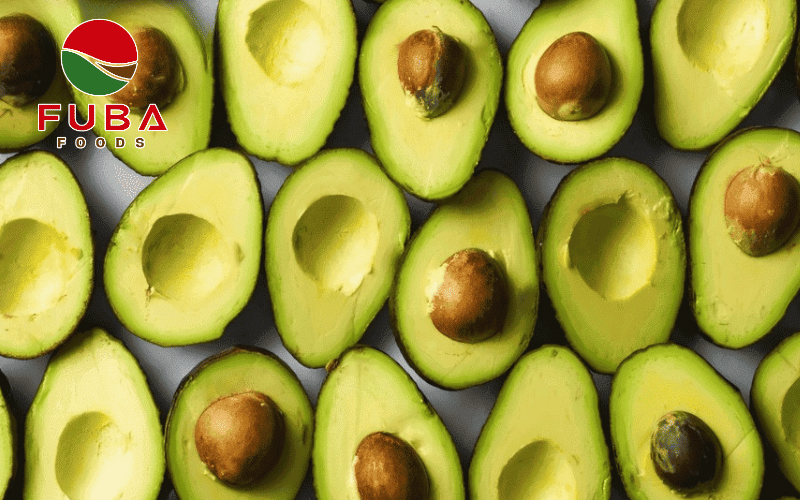
Avocado is one of the most nutritious fruits in the world, rich in healthy fats, vitamins, minerals, and antioxidants. Despite its popularity, fresh avocado has a relatively short shelf life and can become soft or overripe within just a few days after purchase, leading to food waste and reduced product value. To overcome this challenge, frozen avocado has emerged as an effective preservation solution that helps maintain the fruit’s quality while extending its usability. Today, Vietnam's frozen avocado industry continues to expand, with companies like FUBA supporting the production and distribution of high-quality frozen avocado products for domestic and export markets.

Frozen avocado shelf life typically ranges from 1 to 2 years when stored properly at -18°C or lower. To maximize frozen avocado shelf life, avocados should be processed using advanced freezing technologies such as IQF, packaged in airtight containers, and kept at a consistent freezing temperature to preserve freshness, texture, and nutritional value.
This article provides a complete guide to frozen avocado shelf life, including storage recommendations, quality preservation tips, and the factors that influence long-term freshness. As frozen fruit products continue to gain popularity, understanding proper storage practices helps consumers and businesses make the most of high-quality frozen avocado products such as those supplied by FUBA
What is frozen avocado?
Frozen avocado is avocado that has been processed and preserved at low temperatures to extend its shelf life while maintaining its quality. Through rapid freezing technology, frozen avocado is considered one of the best avocado preservation methods, helping retain the fruit’s natural texture, rich flavor, and essential nutrients. In addition, frozen avocado offers greater convenience for storage, transportation, and year-round use in various food applications, including smoothies, desserts, salads, and ready-to-eat products. Among frozen avocado suppliers, FUBA is recognized for providing high-quality frozen avocado products processed under strict quality standards.
Whether you are a food manufacturer, distributor, restaurant, or household consumer, understanding proper frozen storage practices is essential for preserving avocado quality. As a frozen fruit processor, FUBA applies strict freezing and storage standards to help maintain product freshness throughout its shelf life.
Why Proper Storage Matters for Frozen Avocado?
Proper storage plays a crucial role in maintaining the quality and maximizing the frozen avocado shelf life. Although freezing significantly extends the usability of avocados, incorrect storage conditions can negatively affect their texture, flavor, appearance, and nutritional value over time. By following recommended storage practices, businesses and consumers can enjoy the full benefits of frozen avocado products.

Preserves Fresh Flavor and Texture
One of the primary advantages of frozen avocado is its ability to retain the fruit’s naturally rich and creamy texture. Proper storage at -18°C or lower helps maintain the fresh flavor and smooth consistency that consumers expect. Stable freezing conditions also minimize the formation of ice crystals that can damage the avocado’s cellular structure.
Maintains Nutritional Value
Avocados are rich in healthy fats, vitamins, minerals, and antioxidants that contribute to a balanced diet. Proper freezing and storage help preserve these essential nutrients for extended periods. When stored correctly, frozen avocados can retain much of their original nutritional profile, making them a convenient and healthy ingredient for various food applications.
Prevents Product Waste
Fresh avocados have a relatively short shelf life and can spoil quickly if not used in time. Frozen avocado provides an effective solution by significantly extending storage duration. Proper storage practices reduce the risk of spoilage, helping businesses and consumers minimize food waste and maximize product utilization.
Extends Frozen Avocado Shelf Life
Maintaining a consistent storage temperature is essential for achieving the maximum frozen avocado shelf life. Under optimal conditions, frozen avocados can remain in excellent condition for 1–2 years. This extended shelf life allows businesses to better manage inventory while ensuring year-round product availability.
Supports Product Quality During Transportation
Proper storage is equally important throughout the distribution and transportation process. Maintaining an uninterrupted cold chain helps preserve product quality from production facilities to end users, ensuring frozen avocados arrive in the best possible condition.
How to Store Frozen Avocado Correctly
Proper storage is essential for maximizing frozen avocado shelf life and maintaining product quality throughout its storage period. Following industry-recommended practices helps preserve flavor, texture, appearance, and nutritional value while minimizing waste and quality loss.
Keep Frozen Avocado at -18°C or Lower
The internationally recognized standard for frozen food storage is -18°C or lower. At this temperature, microbial activity is effectively halted, and biochemical reactions that can degrade food quality are significantly slowed down.
Maintaining frozen avocado at a stable temperature of -18°C or below helps preserve its natural texture, flavor, color, and nutritional content. Under these conditions, frozen avocado shelf life can typically range from 1 to 2 years, depending on processing methods and packaging quality.

Use Airtight Packaging
Proper packaging is critical for protecting frozen avocado during long-term storage. Airtight and moisture-resistant packaging helps prevent exposure to air, which can lead to oxidation and quality deterioration.
One of the most common issues caused by improper packaging is freezer burn. Freezer burn is a condition that occurs when frozen avocado loses moisture due to air exposure during storage. This can damage the product’s texture, cause dryness and discoloration, reduce its natural green color, and significantly affect overall product quality. Airtight packaging helps prevent freezer burn by reducing air exposure. This preserves flavor, texture, appearance, and overall frozen avocado shelf life.
Avoid Temperature Fluctuations
Consistent storage temperatures are essential for maintaining frozen avocado quality. Frequent temperature changes can cause portions of the product to partially thaw and then refreeze repeatedly.
These freeze-thaw cycles may damage the avocado’s cellular structure, resulting in texture degradation, moisture loss, color changes, and reduced product quality. To minimize temperature fluctuations, freezer doors should not be opened unnecessarily, and products should be returned to proper storage conditions as quickly as possible after handling.
Maintaining a stable cold chain throughout storage and transportation is equally important for preserving frozen avocado shelf life and ensuring consistent product quality.
Follow First-In, First-Out (FIFO)
FIFO (First-In, First-Out) is an inventory management method in which products received or stored first are used or shipped before newer stock. This practice is particularly important for frozen avocado because it helps prevent products from remaining in storage for extended periods. By implementing FIFO, businesses can reduce waste, maintain consistent product quality, improve inventory control, and maximize frozen avocado shelf life while ensuring customers receive products in optimal condition.

Common Mistakes That Reduce Frozen Avocado Shelf Life
Even when produced using advanced freezing technologies, frozen avocado can lose quality if storage and handling practices are not properly managed. Understanding these common mistakes is essential for maintaining product quality and maximizing frozen avocado shelf life.
Repeated Freeze-Thaw Cycles
Repeated freeze-thaw cycles are one of the most damaging factors affecting frozen avocado quality. When the product partially thaws and is subsequently refrozen, ice crystals can form and damage the avocado’s cellular structure. This may result in texture deterioration, moisture loss, and reduced product consistency after thawing. In addition, repeated thawing and refreezing can lead to the loss of valuable nutrients in the avocado and significantly reduce the shelf life of frozen avocado.
Damaged Packaging
Packaging plays a critical role in protecting frozen avocado during storage and transportation. Damaged, punctured, or poorly sealed packaging can expose the product to air and moisture, increasing the risk of oxidation and freezer burn. As a result, the avocado may experience discoloration, dryness, and a decline in overall quality.
Improper Storage Temperature
Frozen avocado should be stored at -18°C or lower to maintain optimal quality. Temperatures above this level can accelerate quality deterioration and reduce the product’s recommended shelf life. Improper storage temperatures can cause frozen avocado to spoil more quickly, significantly shortening its usable life. If the avocado is not kept frozen at the correct temperature, microbial growth and quality degradation may occur, potentially creating food safety risks for consumers. Consistent temperature monitoring is essential for long-term storage.
Long Exposure During Handling
Extended exposure to ambient temperatures during loading, unloading, inspection, or transportation can partially thaw frozen avocado. If the product remains outside controlled frozen conditions for too long and is later refrozen, it may undergo additional freeze-thaw cycles that further damage texture, increase moisture loss, and reduce overall product quality. Maintaining a continuous cold chain is essential to minimize these risks and preserve product integrity throughout the supply chain.

How IQF Technology Supports Long-Term Freshness
Modern freezing technology plays a vital role in maintaining product quality and extending frozen avocado shelf life. Among the available freezing methods, Individual Quick Freezing (IQF) is widely recognized as one of the most effective technologies for preserving the freshness, texture, and nutritional value of frozen fruits.
To better understand the freezing process, readers can learn more about IQF frozen fruit processing at FUBA.
Rapid Freezing Process
After selecting the freshest and highest-quality avocados, the fruit is carefully prepared and either sliced or pureed depending on customer requirements. The avocado is then rapidly frozen using IQF technology by gradually lowering the product temperature to approximately -34°C to -43°C before packaging. This process helps preserve the avocado’s freshness, texture, and nutritional value, ensuring the product reaches customers in optimal condition while maintaining its natural characteristics.
Reduced Ice Crystal Formation
One of the key advantages of IQF technology is its ability to minimize the formation of large ice crystals. Smaller ice crystals cause less damage to the avocado’s cellular structure, helping maintain its natural texture, color, and flavor after thawing. By reducing cellular damage and preventing the growth of large ice crystals, IQF technology helps preserve the avocado’s soft and creamy texture while enhancing the overall eating experience and natural flavor when customers use the product. This also supports better nutrient retention throughout storage.
Better Product Stability During Storage
By preserving product integrity during freezing, IQF technology helps improve stability during long-term frozen storage. The avocado remains more consistent in appearance, texture, and quality, even after extended storage periods. At FUBA, we understand the importance of delivering products that retain their natural freshness and quality from harvest to consumption. That is why we choose to use advanced IQF technology, one of the most reliable and effective freezing solutions available today. IQF helps lock in the avocado’s fresh flavor, natural texture, color, and nutritional value while supporting long-term frozen storage. Through our commitment to using the best technology and maintaining strict quality standards, FUBA ensures customers receive frozen avocado products with dependable quality, excellent taste, and maximized frozen avocado shelf life.

How Long Does Frozen Avocado Last?
The frozen avocado shelf life depends on several factors, including processing methods, storage temperature, packaging quality, and cold chain management. If stored properly at -18°C or lower and all recommended storage practices are followed, frozen avocado can remain safe and maintain good quality for approximately 1–2 years.
Commercially Frozen Avocado
Commercially frozen avocado products are typically produced using advanced freezing technologies such as IQF and stored under strict quality control conditions. When kept at -18°C or lower, commercially frozen avocado can generally maintain its quality for 12–24 months, making it a reliable solution for long-term storage and year-round supply.
Homemade Frozen Avocado
Homemade frozen avocado usually has a shorter shelf life due to differences in preparation, packaging, and freezing methods. In most cases, homemade frozen avocado can be stored for approximately 4–8 months while maintaining acceptable quality. Proper packaging and stable freezer temperatures are essential to achieve the best results.
Factors Affecting Frozen Avocado Shelf Life
Several factors can influence frozen avocado shelf life:
- Storage Temperature: Consistent temperatures of -18°C or lower help preserve quality and prevent deterioration.
- Packaging Quality: Airtight packaging reduces exposure to air and moisture, helping prevent oxidation and freezer burn.
- Cold Chain Management: Proper temperature control throughout storage, transportation, and handling helps maintain product integrity and extend shelf life.
By controlling these factors, businesses and consumers can maximize frozen avocado shelf life while preserving flavor, texture, and nutritional value.

Signs Frozen Avocado Quality Has Deteriorated
Although frozen avocado can maintain its quality for an extended period when stored properly, certain indicators may suggest that the product has declined in quality. To ensure consumer safety and protect business credibility, it is important to recognize the signs that frozen avocado quality has deteriorated. Identifying these warning signs helps businesses and consumers evaluate product condition, maintain food safety standards, and determine whether the avocado remains suitable for use.
Freezer Burn
Frozen avocado showing dry patches, a rough surface, loss of its creamy texture, or visible dehydration may be affected by freezer burn. This is a warning sign that product quality has declined and should be carefully evaluated before use.
Loss of Natural Color
Frozen avocado that develops extensive browning, darkened areas, grayish tones, or uneven discoloration may no longer meet expected quality standards. Significant color changes can indicate deterioration and warrant caution.
Texture Changes
If thawed avocado becomes excessively watery, unusually mushy, grainy, or separated in consistency, this may signal quality degradation. Noticeable texture breakdown is a warning sign that the product may no longer deliver the desired performance or eating experience.
Off Odors
Quality frozen avocado should have a mild, fresh aroma. If the product develops sour, rancid, fermented, or unpleasant odors, it should be considered a warning sign of spoilage. Discontinue use immediately if abnormal smells are detected.

Why Businesses Choose Frozen Avocado
As global demand for convenient and nutritious food ingredients continues to grow, frozen avocado has become an increasingly popular choice among food manufacturers, distributors, retailers, and foodservice businesses. Its long shelf life, consistent quality, and year-round availability provide significant operational and commercial advantages.
Reduced Food Waste
Fresh avocados are highly perishable and can spoil quickly during storage and transportation, businesses often face challenges with losses caused by unsold or spoiled fresh avocados. To ensure product quality and effective inventory management, frozen avocado helps minimize product loss by extending usability for up to 12–24 months under proper storage conditions, reducing waste, improving inventory management, and helping companies avoid unnecessary financial losses.
Reliable Year-Round Supply
Avocados are highly affected by seasonal changes and weather conditions, which can lead to fluctuations in availability and supply. To avoid disruptions and ensure a consistent supply for customers, frozen avocado has become a preferred solution. By preserving the original taste, texture, and nutritional quality while offering a shelf life of 12–24 months, frozen avocado enables businesses to secure a stable year-round supply. This helps companies maintain uninterrupted operations and reduces concerns about sourcing fresh avocados throughout the year.
Export Advantages
Vietnam is one of the world’s leading avocado exporters, but maintaining the quality of fresh avocados during transportation and export remains a major challenge. Fresh avocados can ripen quickly, become bruised, or spoil during long shipping periods, resulting in product losses and reduced market value. Frozen avocado provides an effective solution by preserving quality throughout the export process while significantly extending shelf life. In addition, frozen avocado is often more affordable than fresh avocado, making it accessible to a wider range of consumers and helping businesses expand into new markets. With proper freezing, packaging, and cold chain management, frozen avocado supports reliable international distribution and creates greater opportunities for both suppliers and buyers.

Operational Efficiency
Frozen avocado helps reduce preparation time by eliminating the need for peeling, pitting, and processing fresh fruit before use. Its extended shelf life allows businesses to store products longer without worrying about short selling windows or excess inventory. This improves production planning, simplifies inventory management, and ensures a ready supply of avocado whenever needed. Therefore, FUBA has chosen to develop frozen avocado products using advanced IQF technology, with strict control and management throughout every stage of the production process. This ensures product quality, strengthens the company’s reputation, and delivers the best possible experience for customers while helping businesses maintain consistent quality and improve operational efficiency.
Conclusion
Proper storage is essential for maximizing frozen avocado shelf life and maintaining the product’s quality, flavor, texture, and nutritional value. To store frozen avocado correctly, it should be kept at a consistent temperature of -18°C or lower, protected with airtight packaging, and handled under a well-managed cold chain to prevent unnecessary temperature fluctuations.
When these storage practices are followed, commercially frozen avocado can typically maintain its quality for 12–24 months. In addition, advanced IQF technology plays a critical role in preserving the avocado’s natural texture, color, flavor, and nutrients by minimizing ice crystal formation during freezing.
At FUBA, strict quality standards are applied throughout raw material selection, processing, freezing, packaging, and storage. By combining advanced IQF technology with comprehensive quality control systems, FUBA helps ensure customers receive premium frozen avocado products with reliable quality and extended frozen avocado shelf life.


