

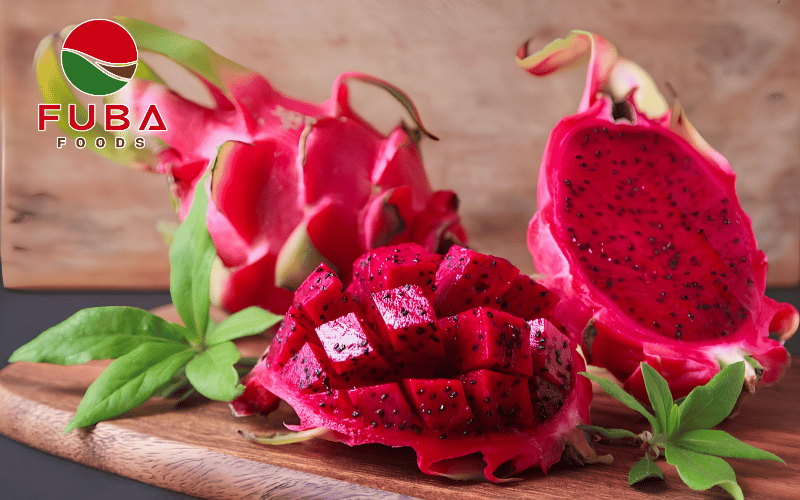
Dragon fruit has become one of the fastest-growing tropical fruits in the global food and beverage industry. Beyond its vibrant appearance, consumers increasingly recognize its nutritional profile and health benefits, making it a popular ingredient in smoothies, juices, dairy products, frozen desserts, and healthy snacks. For food manufacturers, distributors, and private-label brands, understanding dragon fruit nutrition is essential for developing products that meet growing consumer demand for natural, functional, and clean-label foods.
Dragon fruit nutrition includes dietary fiber, vitamin C, magnesium, iron, antioxidants, and beneficial plant compounds while remaining naturally low in calories and fat. These nutritional characteristics make dragon fruit an ideal ingredient for beverage, dairy, bakery, dessert, and healthy snack manufacturers seeking functional fruit ingredients with broad consumer appeal.
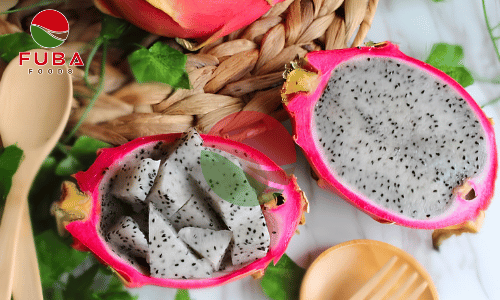
As health-conscious purchasing continues to influence the global food industry, businesses are looking beyond flavor and focusing on ingredients that deliver measurable nutritional value. This article explores the nutritional composition of dragon fruit, its health benefits, and why manufacturers increasingly choose premium frozen dragon fruit for commercial food production.
What Makes Dragon Fruit a Nutritious Fruit?
Dragon fruit, also known as pitaya, is widely appreciated not only for its refreshing taste but also for its balanced nutritional profile. Compared with many processed ingredients, dragon fruit naturally contains essential vitamins, minerals, antioxidants, and dietary fiber while remaining relatively low in calories.
Its versatility allows manufacturers to incorporate dragon fruit into a wide range of food and beverage products without significantly increasing fat or sugar content. This combination of nutritional value and processing flexibility has made dragon fruit an increasingly attractive ingredient across international markets.
Dragon Fruit Nutrition Facts
A typical serving of fresh dragon fruit provides valuable nutrients that support a healthy diet. It contains moderate amounts of carbohydrates for natural energy while remaining low in fat and sodium. More importantly, dragon fruit supplies dietary fiber, vitamin C, magnesium, iron, calcium, and several antioxidant compounds that contribute to overall wellness.
Its high water content also makes dragon fruit suitable for beverages and frozen fruit products, helping manufacturers create refreshing products with a clean and natural ingredient profile.
Rich Source of Antioxidants
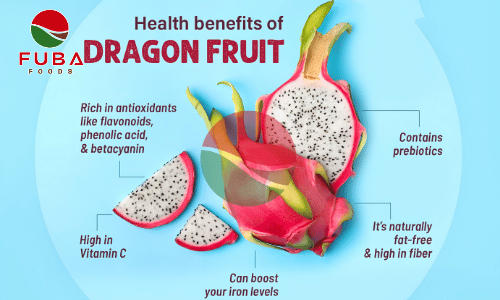
One of the most important aspects of dragon fruit nutrition is its antioxidant content. Dragon fruit contains betalains, flavonoids, polyphenols, and vitamin C, which help protect cells from oxidative stress caused by free radicals.
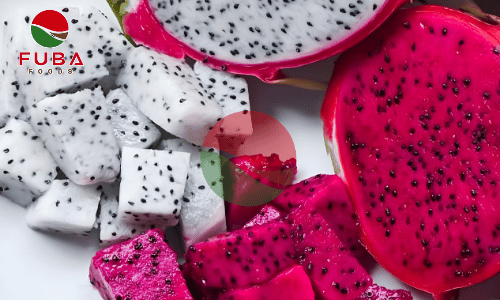
Red-fleshed dragon fruit is particularly valued because its natural pigments contain betalains that provide both vibrant color and antioxidant properties. These naturally occurring compounds make dragon fruit attractive for manufacturers developing products that emphasize natural ingredients rather than artificial colors or additives.
Dragon Fruit Nutrition Benefits for Health and Food Products
Consumers increasingly expect foods to provide more than basic nutrition. Functional ingredients that support wellness have become major purchasing factors, encouraging food manufacturers to incorporate fruits with recognized nutritional benefits into new product development.
Dragon fruit satisfies these expectations by combining nutritional value with excellent processing performance.
Supports Digestive Health
Dietary fiber is one of the most valuable components of dragon fruit nutrition. Fiber helps support healthy digestion by promoting regular bowel movements while contributing to a balanced gut microbiome.
For food manufacturers, fiber-rich ingredients also provide additional marketing value as consumers actively seek products that support digestive wellness. Smoothies, yogurt drinks, breakfast products, and healthy snacks containing dragon fruit can naturally communicate these benefits without relying on heavily processed ingredients.
Contributes to Immune Support
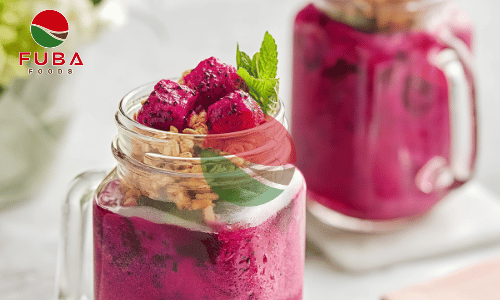
Vitamin C plays an important role in supporting the immune system and protecting cells from oxidative damage. Dragon fruit naturally provides vitamin C together with other antioxidant compounds, creating an attractive nutritional profile for health-oriented food products.
As consumer interest in immune-supporting foods continues to grow, dragon fruit has become an increasingly popular ingredient in juices, smoothies, frozen fruit blends, and nutritional beverages.
Helps Create Naturally Colorful Products
Modern consumers increasingly prefer foods colored by natural fruit ingredients rather than synthetic additives.
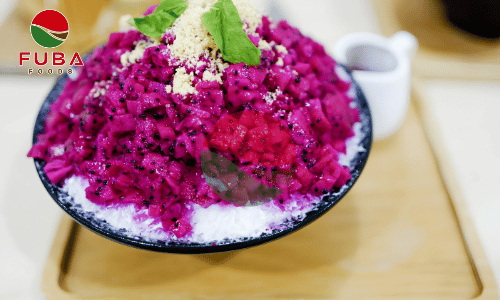
Red dragon fruit allows manufacturers to create visually attractive beverages, smoothie bowls, desserts, yogurt products, and frozen treats using naturally occurring pigments. This supports clean-label product positioning while enhancing product appeal across retail and foodservice markets.
Why Dragon Fruit Nutrition Makes It Ideal for Food Manufacturing
Beyond its health benefits, dragon fruit nutrition offers significant advantages for commercial food production. Manufacturers require ingredients that combine nutritional quality with processing stability, consistent availability, and reliable performance throughout the production cycle.
Dragon fruit successfully meets these requirements across multiple product categories.
Suitable for Multiple Food and Beverage Applications
Thanks to its mild flavor and balanced nutritional composition, dragon fruit can be incorporated into numerous commercial products without overpowering other ingredients.
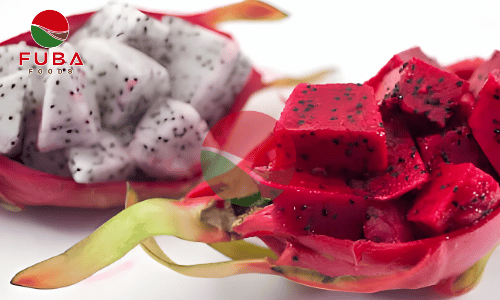
Food manufacturers commonly use dragon fruit in smoothies, fruit juices, dairy beverages, yogurt, ice cream, sorbet, bakery fillings, fruit preparations, nutritional snacks, and frozen fruit blends. It also combines effectively with mango, passion fruit, avocado, pineapple, berries, and citrus fruits, allowing product developers to create innovative tropical formulations.
Its adaptability helps manufacturers expand product portfolios while maintaining consistent ingredient sourcing.
Growing Consumer Demand for Functional Ingredients
Consumers increasingly associate dragon fruit with healthy eating, plant-based nutrition, and natural wellness. This positive perception allows brands to position dragon fruit products within premium and functional food categories.
Rather than focusing solely on taste, manufacturers can emphasize naturally occurring nutrients, antioxidant content, and clean-label formulations to strengthen product differentiation in competitive markets.
As global demand for functional foods continues to rise, dragon fruit remains one of the most promising tropical fruit ingredients for future product innovation.

How IQF Technology Helps Preserve Dragon Fruit Nutrition
One concern many food manufacturers have is whether frozen fruit can maintain the same nutritional value as fresh fruit. Modern freezing technology has significantly addressed this challenge, making frozen dragon fruit a reliable ingredient for commercial food production.
IQF (Individually Quick Frozen) technology rapidly freezes dragon fruit shortly after harvesting and processing. This fast-freezing process minimizes the formation of large ice crystals that can damage the fruit’s cellular structure. As a result, much of the fruit’s natural texture, flavor, color, and nutritional profile is preserved throughout frozen storage.
For manufacturers, this means they can produce beverages, desserts, and frozen foods using ingredients that retain the nutritional characteristics consumers expect while benefiting from year-round availability.
Preserving Vitamins and Antioxidants
Vitamin C and antioxidants are among the most valuable components of dragon fruit nutrition, yet they are also sensitive to heat and prolonged storage.
Because IQF processing minimizes the time between harvesting and freezing, nutrient degradation is significantly reduced compared with fruits that spend extended periods in transportation or retail storage before consumption. This helps manufacturers maintain more consistent nutritional quality across production batches.
Frozen dragon fruit also reduces food waste by extending shelf life while allowing production schedules to remain stable regardless of seasonal harvest fluctuations.
Consistent Nutrition for Commercial Production
Consistency is essential in industrial food manufacturing. Beverage brands and food processors need ingredients that deliver predictable nutritional composition, appearance, and flavor every time they produce a new batch.
High-quality frozen dragon fruit allows manufacturers to standardize recipes without constantly adjusting formulations due to seasonal variations in fresh fruit quality. This consistency supports product quality, nutritional labeling, and customer satisfaction across different markets.
As a direct frozen fruit manufacturer, FUBA applies strict raw material selection, hygienic processing, IQF technology, and comprehensive quality control to help preserve the natural characteristics of dragon fruit before export. This integrated manufacturing approach enables food manufacturers to source ingredients with stable quality and dependable year-round supply.
How Businesses Choose High-Quality Dragon Fruit Ingredients
Understanding dragon fruit nutrition is only one part of successful product development. Food manufacturers must also ensure that the ingredients they purchase meet international quality standards and perform consistently during production.
Choosing a reliable supplier helps reduce operational risks while improving product consistency and supply chain efficiency.
Evaluate Raw Material Quality
Premium dragon fruit ingredients begin with carefully selected fresh fruit. Manufacturers should work with suppliers that source ripe, high-quality dragon fruit from reliable growing regions and implement strict inspection procedures before processing.
Uniform ripeness, color, sweetness, and freshness contribute directly to the nutritional quality and processing performance of the final ingredient. Consistent raw materials also allow food manufacturers to maintain stable product specifications throughout the year.
Verify Food Safety and Manufacturing Standards
International buyers increasingly require suppliers to operate under recognized food safety management systems.
Manufacturers should provide certifications such as HACCP, ISO 22000, GMP, together with complete documentation including Certificates of Analysis (COA), Certificates of Origin (CO), Certificates of Quality (CQ), microbiological testing, and traceability records. These standards help ensure ingredient safety while simplifying export procedures and regulatory compliance.
For long-term business partnerships, selecting a manufacturer with integrated production capabilities and transparent quality management provides greater confidence than sourcing through multiple intermediaries.
Why Dragon Fruit Nutrition Supports Future Food Innovation
Consumer preferences continue to shift toward healthier diets, clean-label products, and naturally functional ingredients. This trend creates significant opportunities for manufacturers that incorporate nutrient-rich fruits into innovative food and beverage products.
The balanced nutritional profile of dragon fruit allows brands to develop premium offerings that combine attractive appearance with meaningful health benefits. Smoothies, fruit juices, yogurt, frozen desserts, nutrition bars, breakfast products, and plant-based beverages all benefit from the fruit’s natural color, refreshing flavor, and functional nutritional value.
As demand for tropical fruit ingredients continues to expand worldwide, dragon fruit is expected to remain an important component of new product development across multiple food categories. Manufacturers that secure reliable sources of high-quality dragon fruit ingredients today will be better positioned to respond to changing consumer expectations in the years ahead.

Conclusion
Understanding dragon fruit nutrition helps food manufacturers, beverage brands, distributors, and private-label businesses make informed ingredient sourcing decisions. Rich in dietary fiber, vitamin C, magnesium, antioxidants, and beneficial plant compounds, dragon fruit offers both nutritional value and excellent versatility for commercial food applications.
Beyond its health benefits, dragon fruit supports product innovation through its natural color, refreshing flavor, and compatibility with a wide range of food and beverage formulations. When sourced from an experienced manufacturer using advanced IQF technology and internationally recognized food safety standards, frozen dragon fruit provides consistent quality, year-round availability, and reliable nutritional performance for industrial production.
As consumer demand for functional and clean-label foods continues to grow, investing in premium dragon fruit ingredients enables businesses to create healthier, more competitive products while building long-term value in the global food market.


